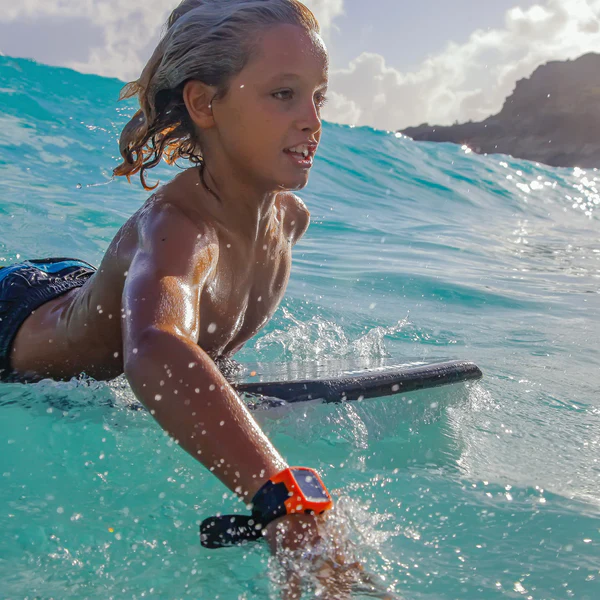
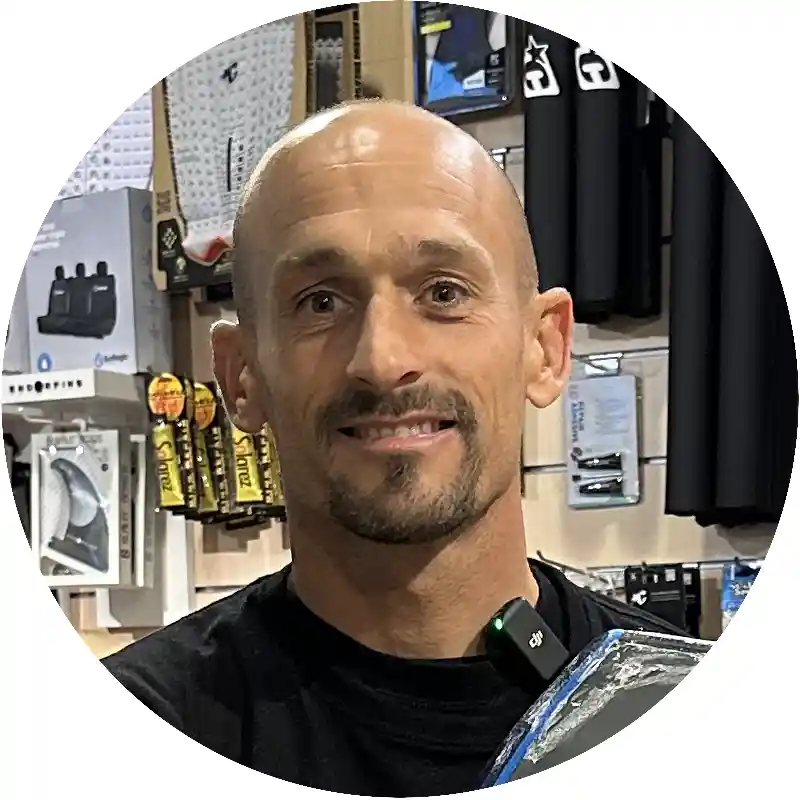
Introducing children and teens to bodyboarding is one of the most rewarding experiences a surfing parent can have. As a two-time world bodyboarding champion and father of two kids growing up in this sport, I have experienced firsthand what it means to pass on this passion in a safe, progressive, and fun way.
Bodyboarding for kids is not just about placing them on a board and pushing them into a wave. It’s about choosing the right equipment, finding the correct wave conditions, building confidence, and supporting them through each stage of their learning journey.
In this article, I share my professional and personal experience to help you correctly introduce your children to the world of bodyboarding.
Key Equipment for Introducing a Child to Bodyboarding
After more than 20 years competing at the highest level and now teaching my children, I can affirm that 70% of success in beginners depends on choosing the right gear.

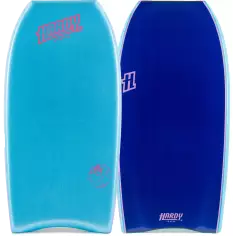
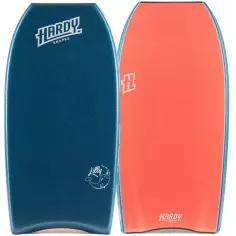
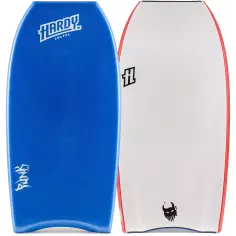
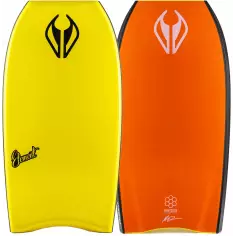
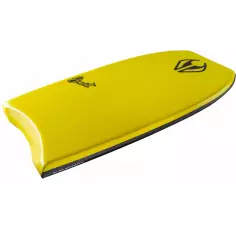
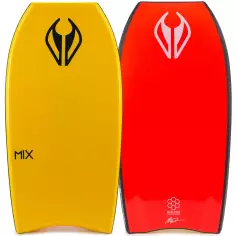
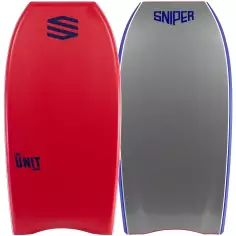
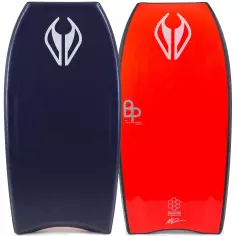
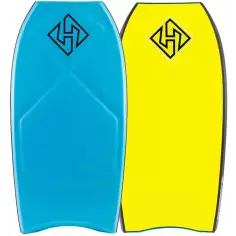
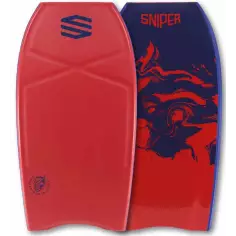
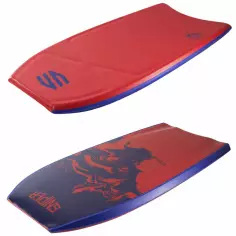
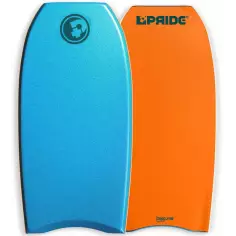
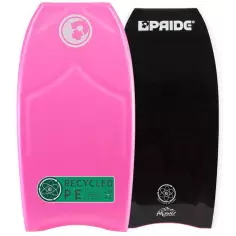
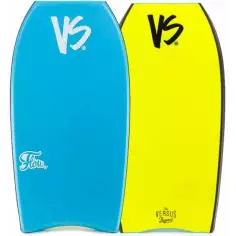
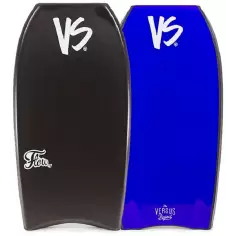
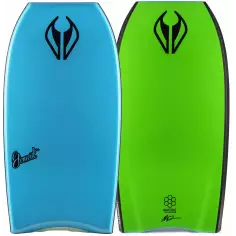
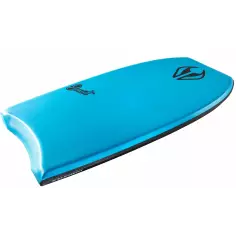
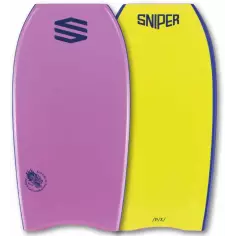
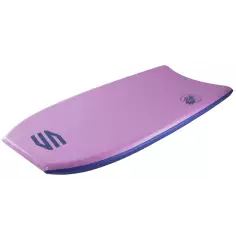
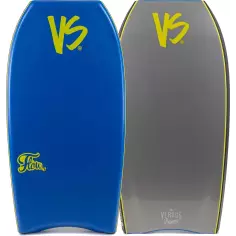
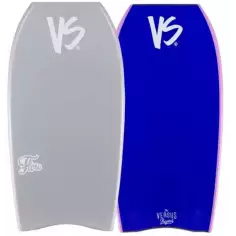
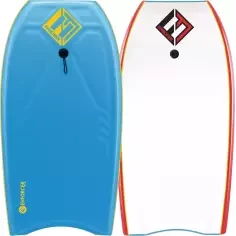
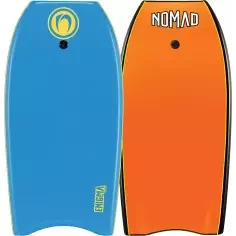
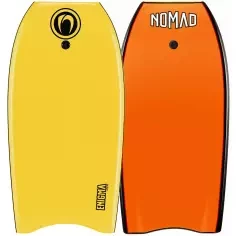
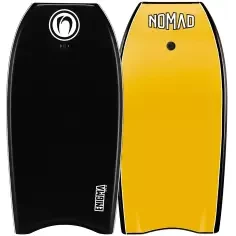
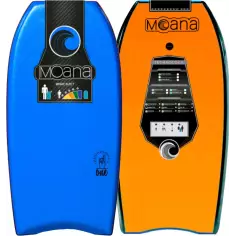
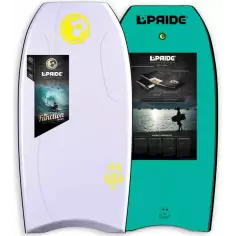
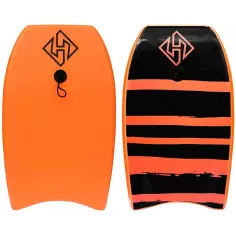
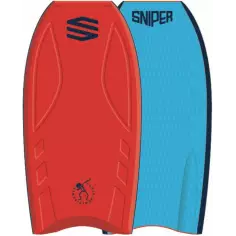
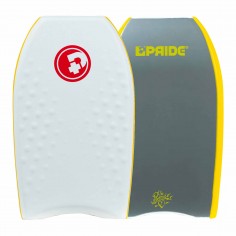
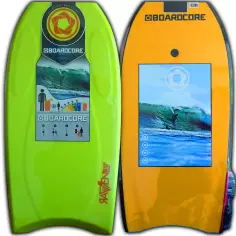
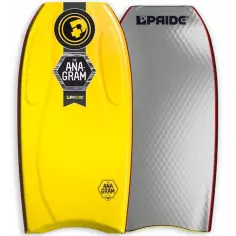
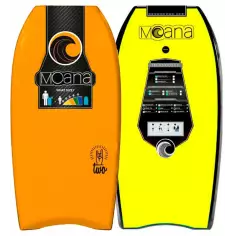
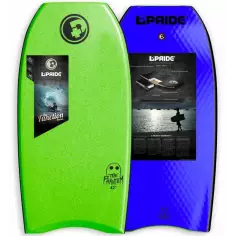
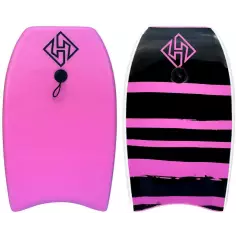
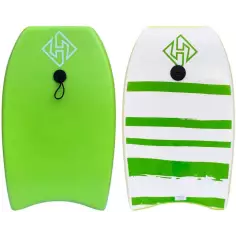
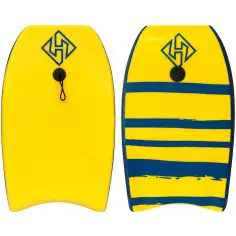
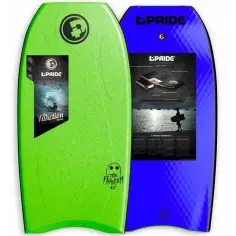
1. Kids’ Bodyboard: Correct Size and Volume
The bodyboard is the central element of learning.
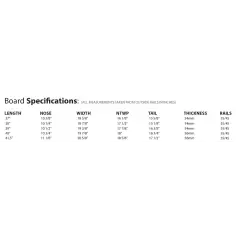
What is the ideal size?
The rule I always recommend is simple:
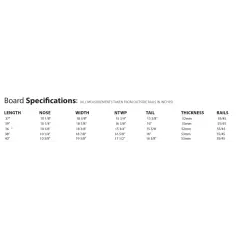
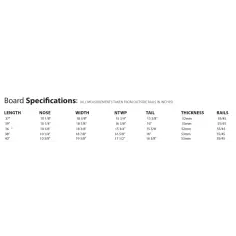
The board should reach approximately the child’s belly button
It can be up to 5 cm above without problem
This size allows:
Better board control
Greater stability on the wave
Easier execution of the first duck dives
Faster progression
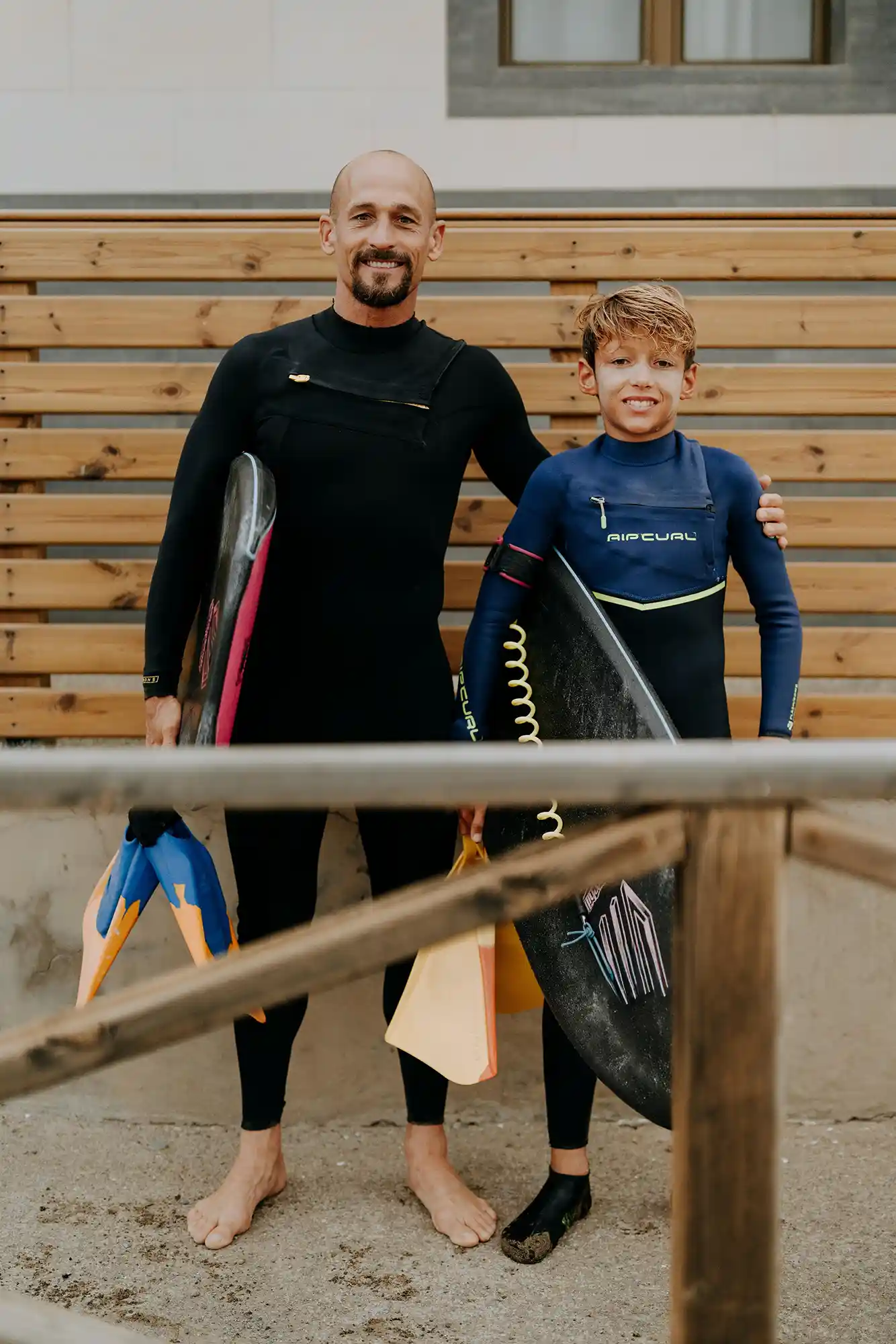
When my son Oliver started at age 5, I bought a 34-inch board, slightly thicker and with more volume, giving him speed and margin for error. That detail made all the difference for his confidence.
A board too large makes control difficult, while a board too small limits buoyancy and causes frustration. Balance is key in kids’ bodyboarding.
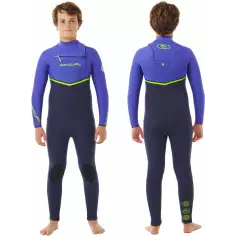
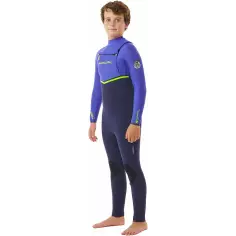
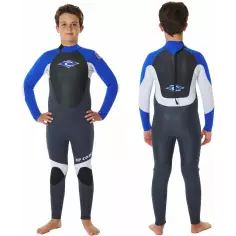
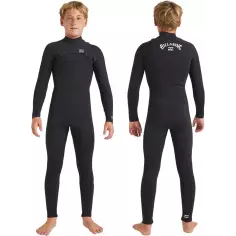
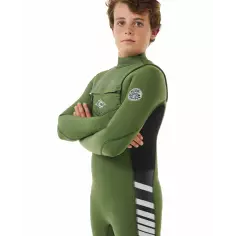
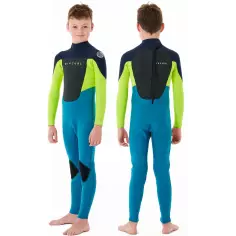
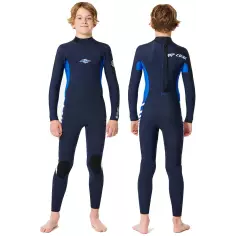
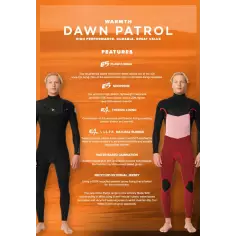
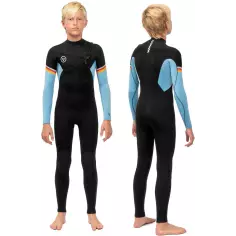
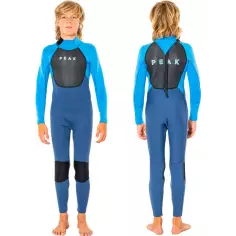
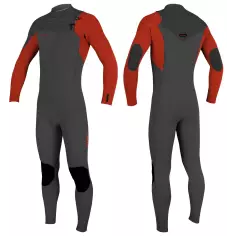
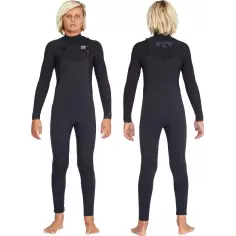
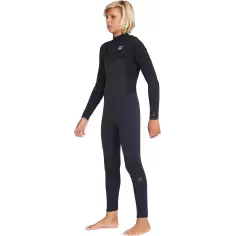
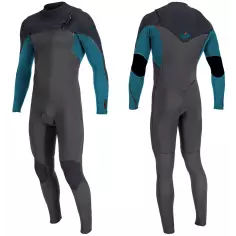
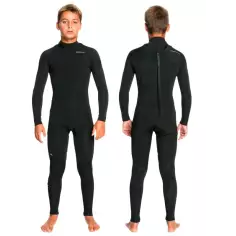
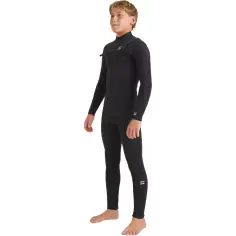
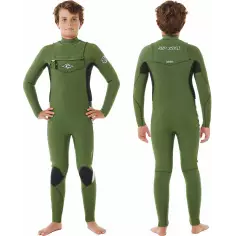
2. Wetsuit: Comfort, Warmth, and Safety
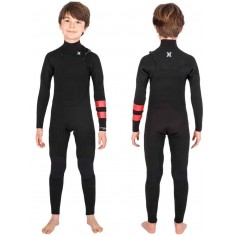
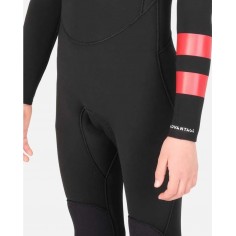
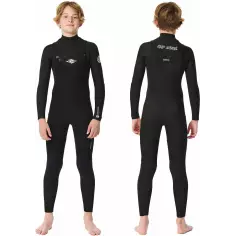
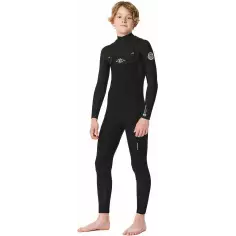
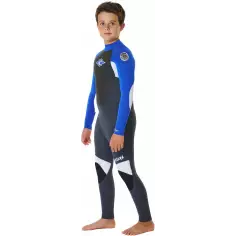
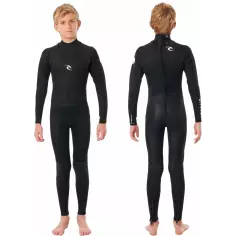
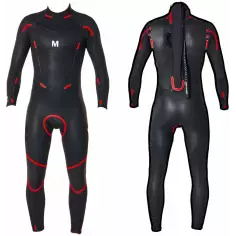
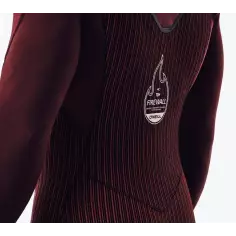
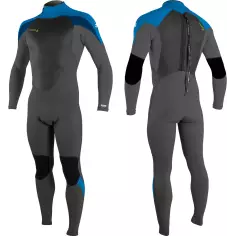
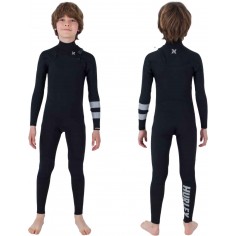
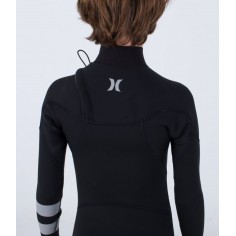
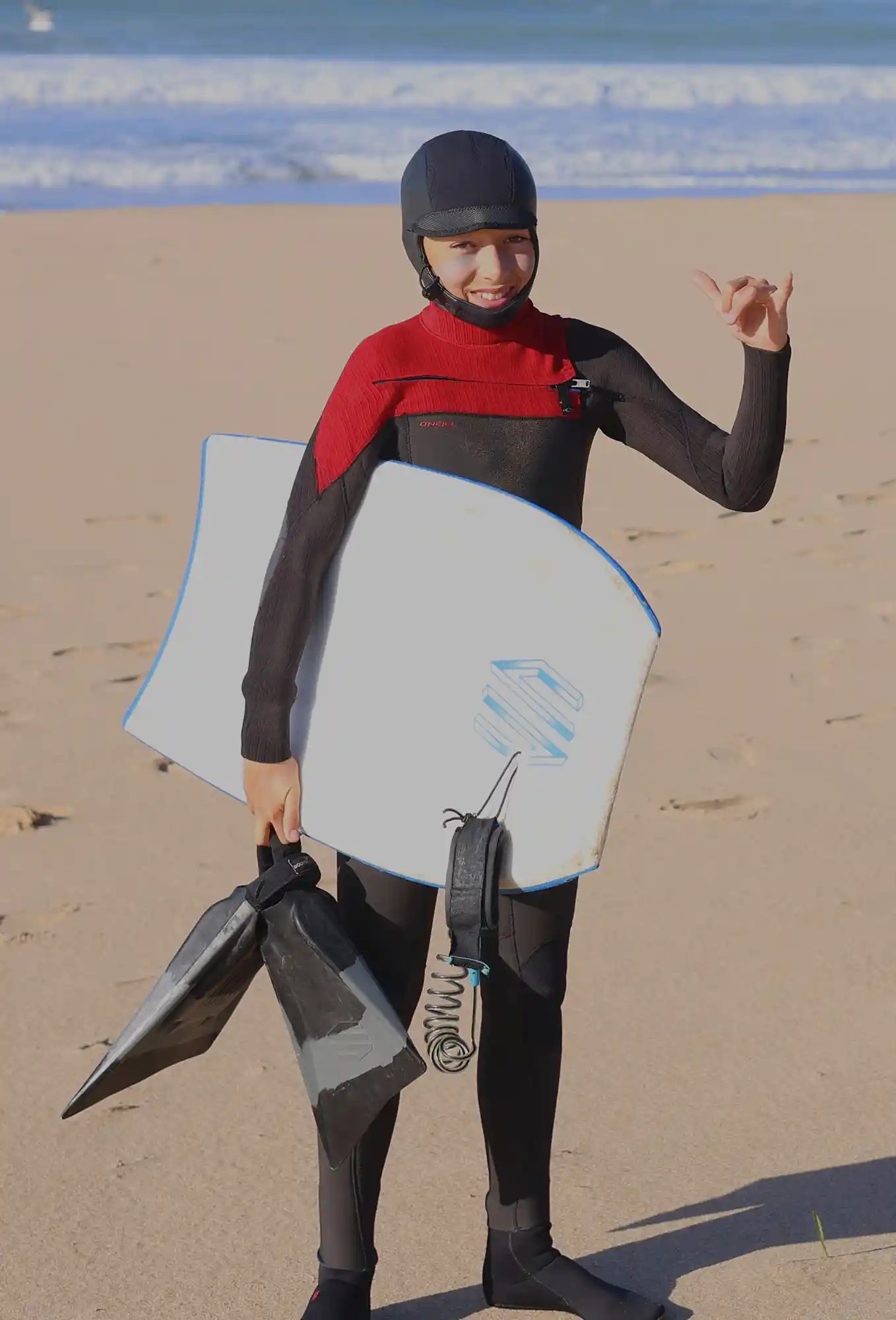
The kids’ wetsuit is one of the most important pieces of equipment.
A very common mistake is buying a wetsuit one size bigger “to last longer”. This is a mistake.
A wetsuit that is too big:
Does not retain heat
Allows water to enter constantly
Reduces comfort
Shortens session time
The wetsuit must be exactly the child’s size to provide proper thermal protection.
I remember perfectly the day I bought Oliver’s first wetsuit. Everything changed. He could stay longer in the water, enjoy it without feeling cold, and associate the ocean with something positive.
When a child is cold, they stop learning. When comfortable, they progress naturally.


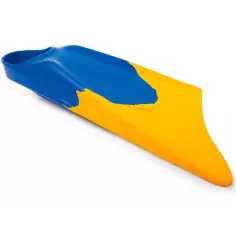
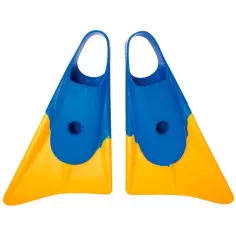
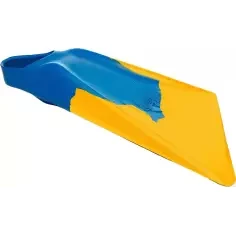
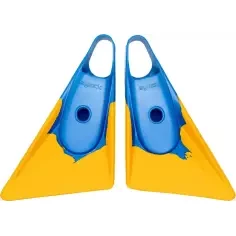
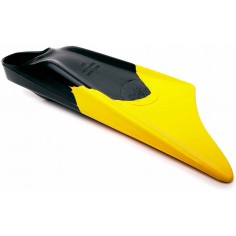
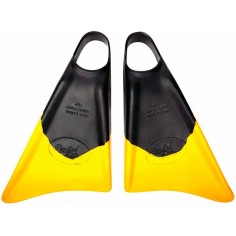
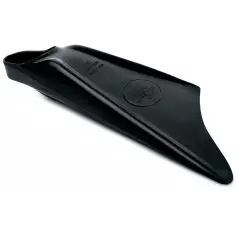
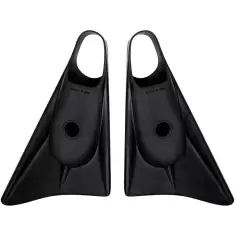
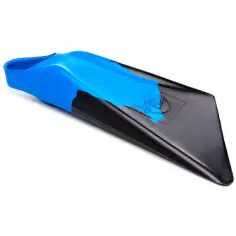
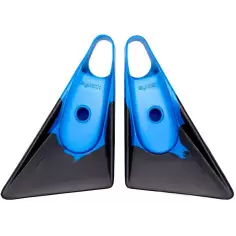
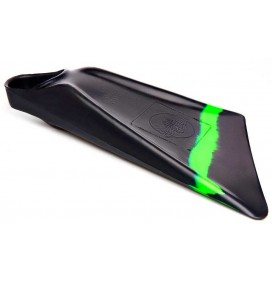
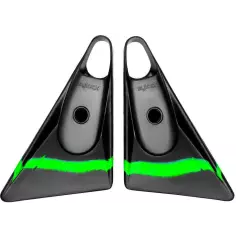
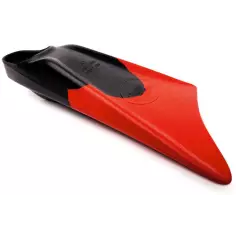
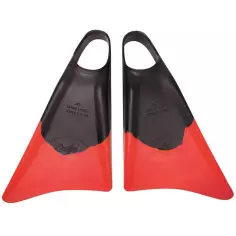
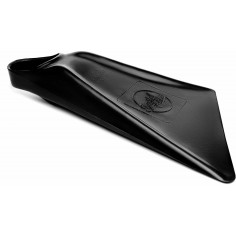
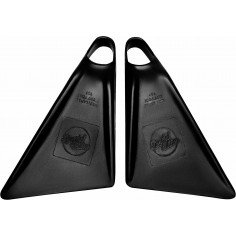
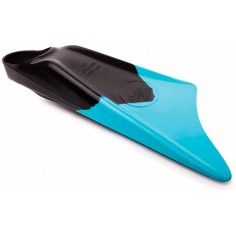
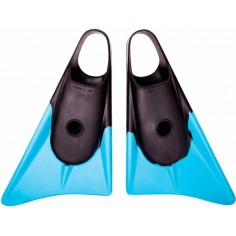
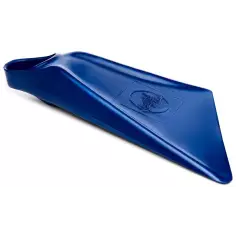
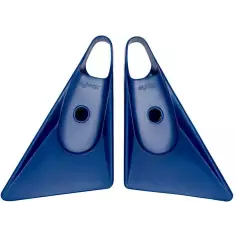
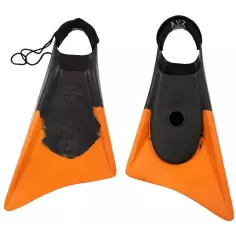
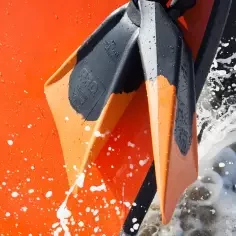
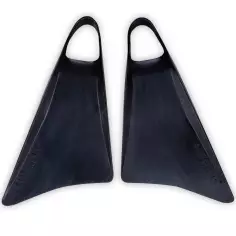
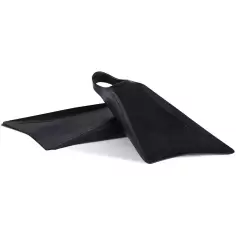
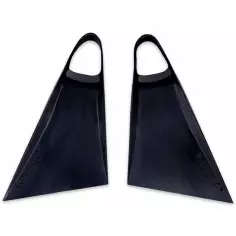
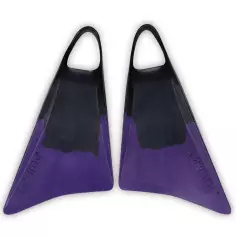
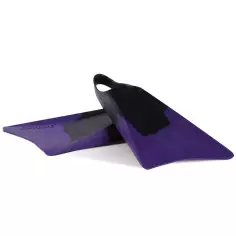
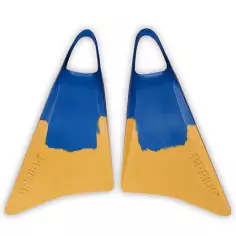
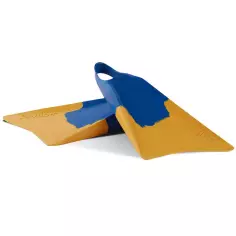
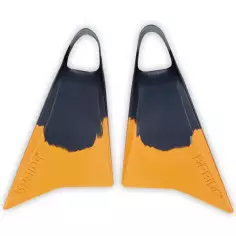
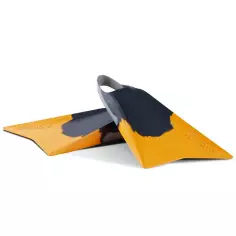
3. Bodyboard Fins: Technique From Day One
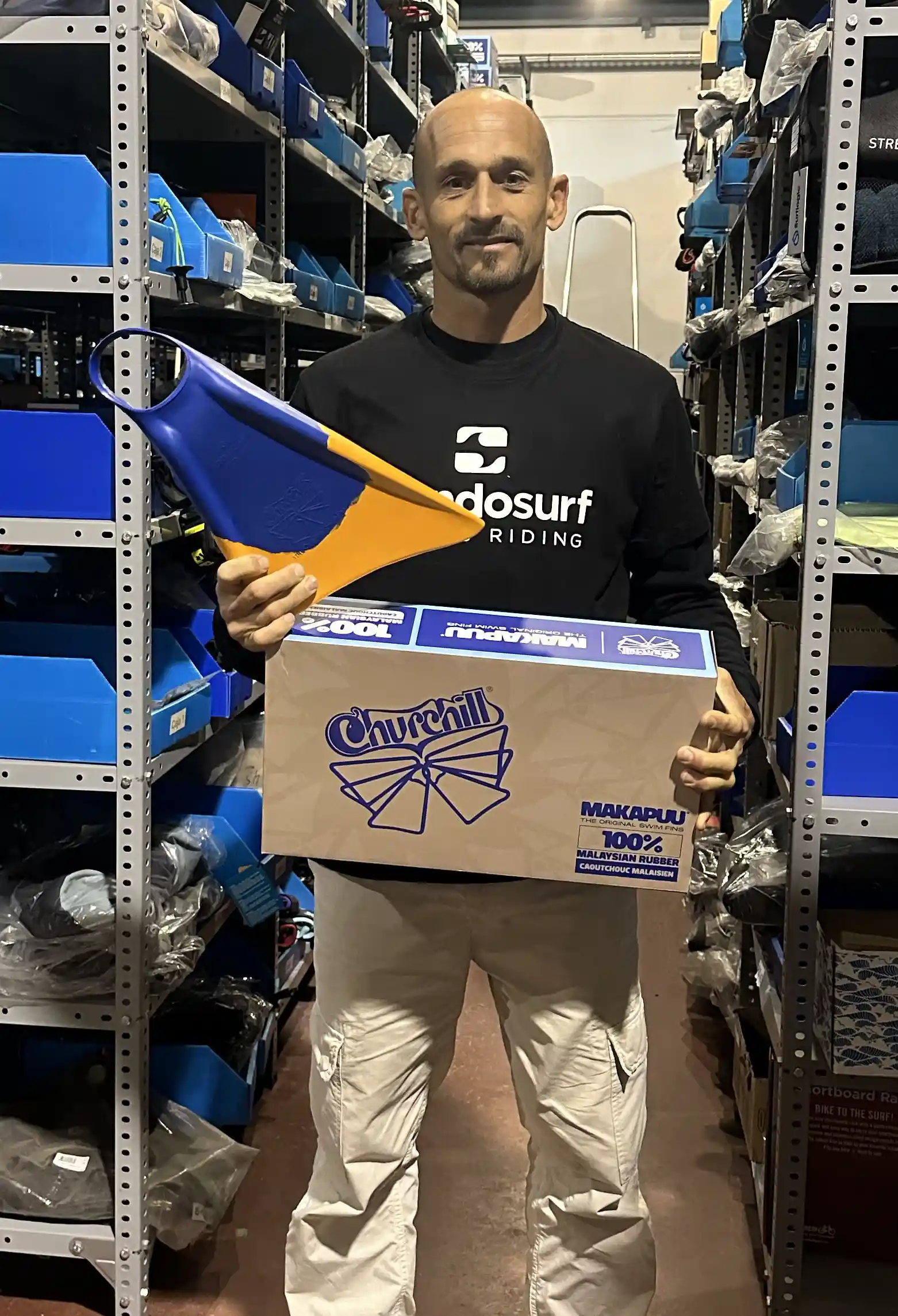
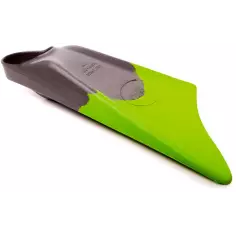
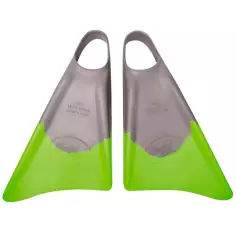
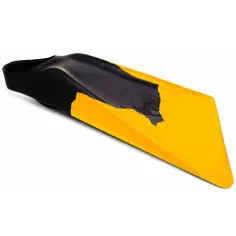
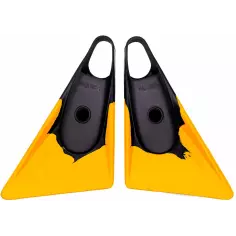
Bodyboard fins for kids are essential to develop proper paddling technique.
My recommendations are clear:
Choose soft, lightweight fins
Ensure they fit the foot well
Leave half a size extra to use with neoprene booties
Fins that are too stiff cause fatigue and frustration. Soft fins allow a more natural and efficient kick.
Additionally, I always recommend:
Use neoprene booties to avoid chafing
Use fin savers to prevent loss
Choosing the right fins for kids’ bodyboarding accelerates progression faster than many parents realize.
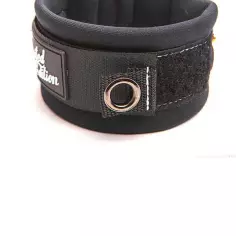
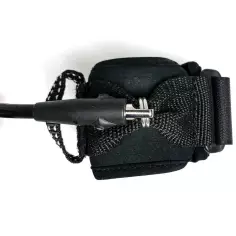
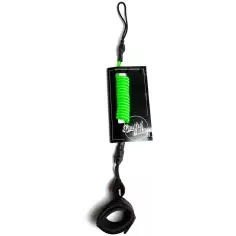
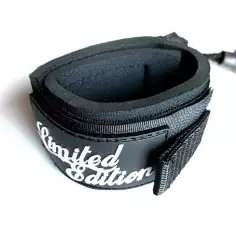
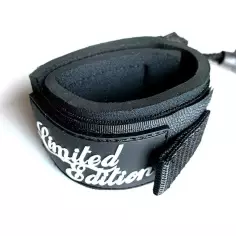
4. Adapted Leash: Safety and Confidence
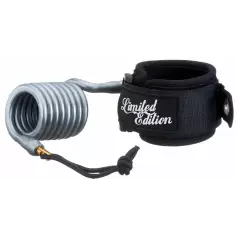
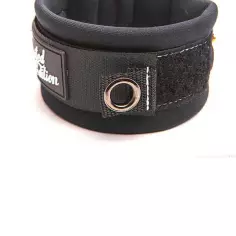
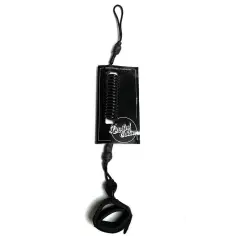
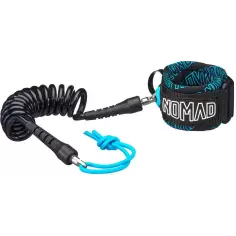
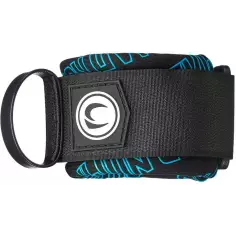
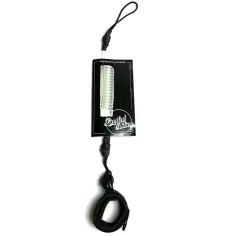
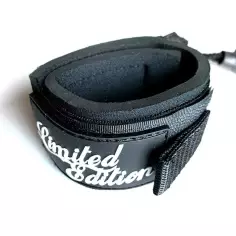
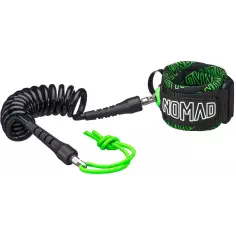
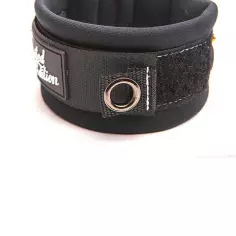
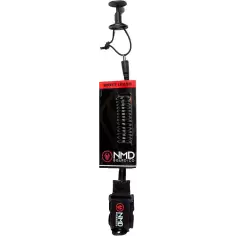
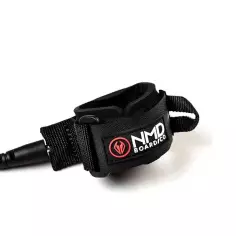
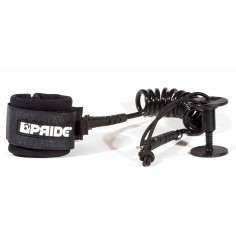
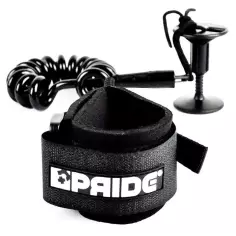
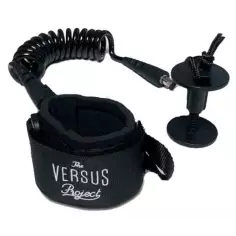
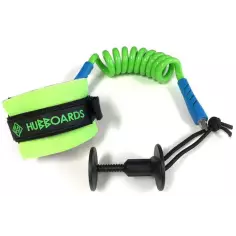
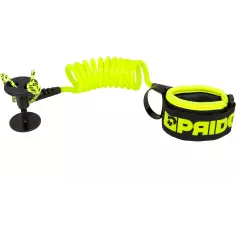
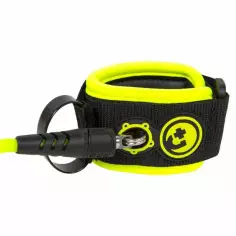
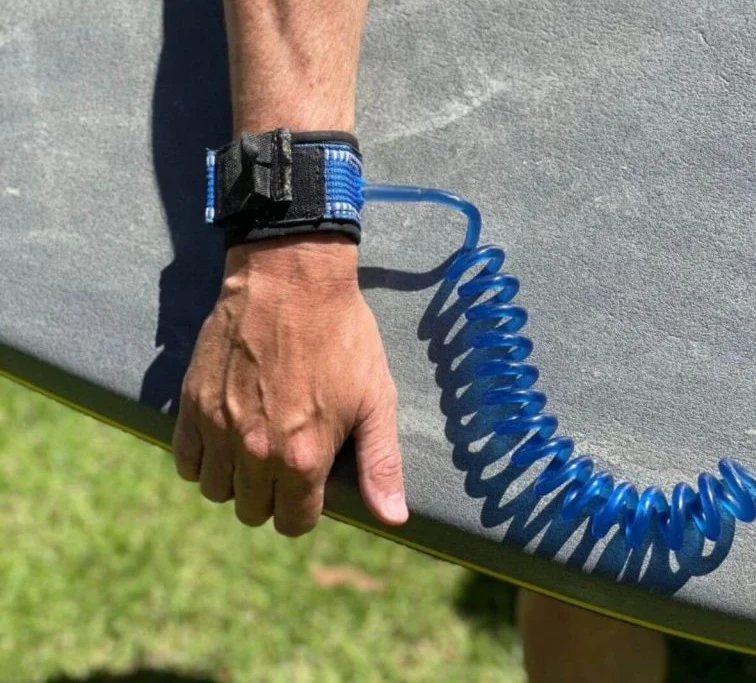
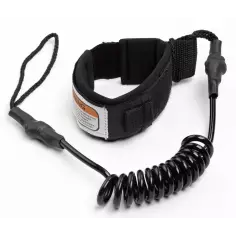
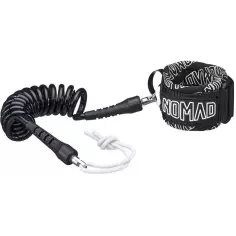
The bodyboard leash is an essential safety element.
It should:
Fit properly on the child’s arm or wrist
Not be too tight or too loose
Be comfortable and lightweight
A proper leash prevents accidents and allows the young rider to focus solely on enjoying and learning.
When I teach my children, I always check this detail before entering the water. Safety is the top priority in kids’ bodyboarding.

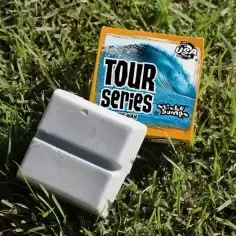
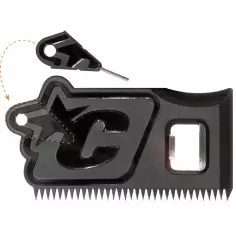
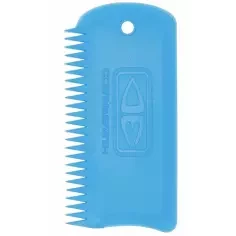
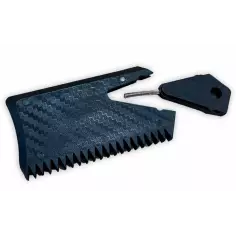
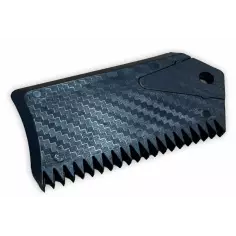
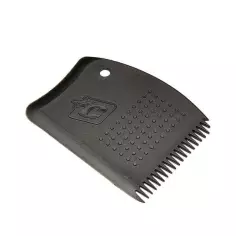
5. Wax: A Small but Powerful Detail
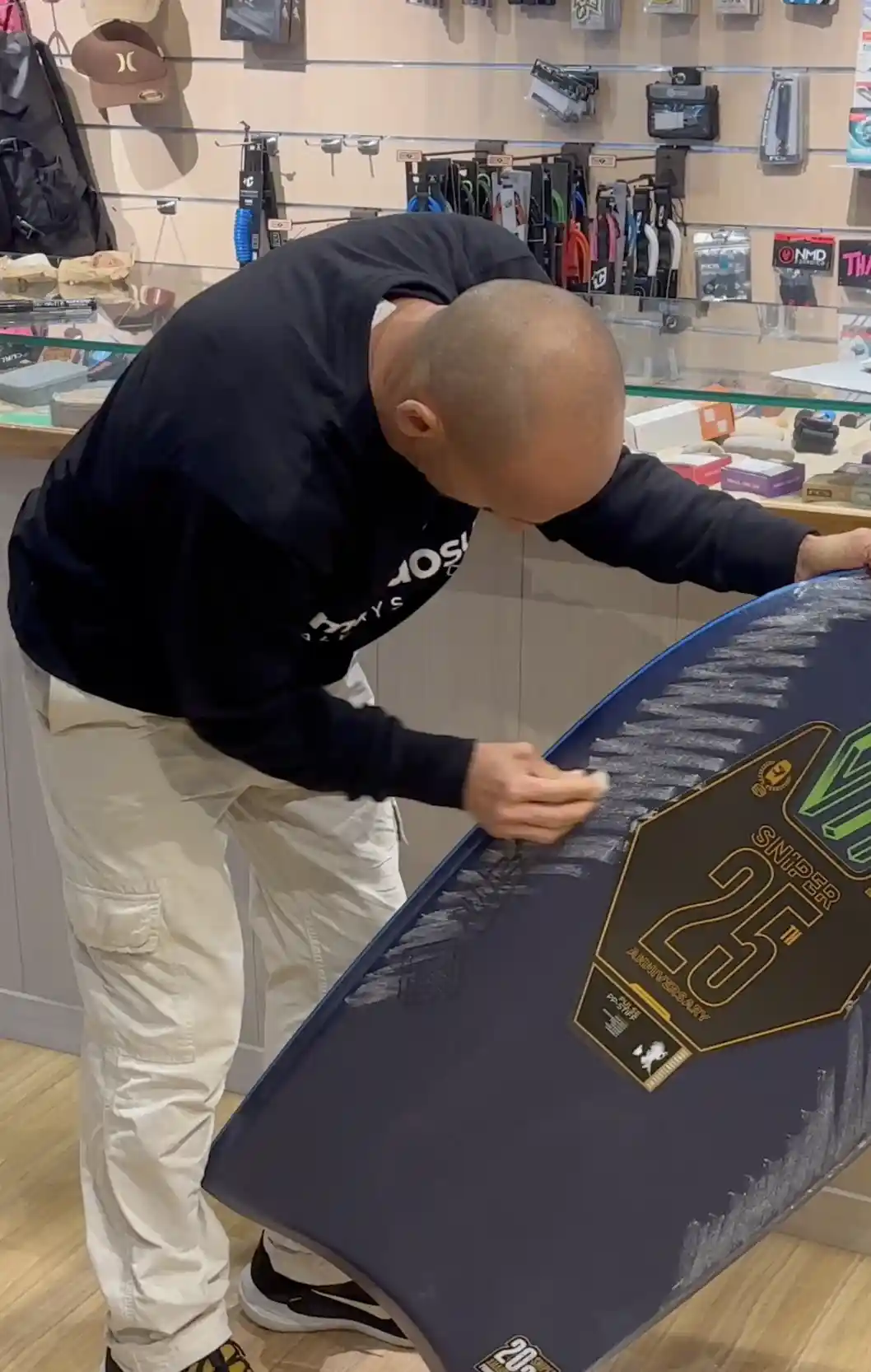
Bodyboard wax is highly recommended for beginners.
Applying wax to the front of the board helps:
Improve grip
Increase stability
Boost confidence in duck dives and maneuvers
A child who feels stable on their board loses fear much faster.
Choosing the Right Waves: Key for Beginners
It’s not just the equipment. Ocean conditions are equally important.
To introduce a child to bodyboarding, I recommend:
Small, gentle waves
Sandy bottoms
Areas without strong currents
Spots with few surfers
The goal is not to impress.
The goal is for the child to have fun.
When the environment is suitable, learning flows naturally.
The Importance of Recording Sessions
One tool I use a lot with my children is recording their sessions.
Recording video allows:
Analyzing their board position
Correcting technical details
Showing progress over time
Motivating them by seeing improvement
In youth bodyboarding, visual feedback greatly accelerates learning.
My Experience as a Father and World Champion
I have competed in the best waves on the planet and won world titles, but teaching my children to love bodyboardinghas been one of the greatest lessons of my life.
I have learned that:
Patience is more important than technique
Fun is more important than performance
Progression must respect the child’s pace
When I see Oliver catch a wave today, I remember his first days with his small 34-inch board. His progress has been incredible, even surpassing my level at his age.
But the most important thing is not that.
The important thing is that he loves the ocean.
And that begins with a good introduction.
Final Tips for Parents Who Want to Introduce Their Children to Bodyboarding
If I had to summarize everything into key points, they would be:
✅ Choose a bodyboard of the correct size
✅ Buy a wetsuit that fits properly
✅ Use soft, lightweight fins
✅ Adjust the leash correctly
✅ Apply wax for better grip
✅ Seek small, safe waves
✅ Record sessions to improve technique
✅ Always prioritize fun
Conclusion: Shaping the Next Generation of Riders
Bodyboarding for kids and teens is much more than a sport. It is a school of values, respect for the ocean, and personal growth.
As a two-time world champion and father, I can say that a solid foundation changes everything. The right equipment, correct conditions, and emotional support are the perfect combination to turn a child into a passionate young rider.
If we get this first stage right, we are forming not only better athletes but people connected to the ocean and confident in themselves.
And it all begins with their first wave.
Products You Might Be Interested In:
Amaury Lavernhe
Amaury Lavernhe is one of the leading figures in professional bodyboarding worldwide. A two-time World Champion, he has competed for over 20 years on the professional circuit at the highest level, standing out for his power, technique, and in-depth knowledge of equipment and wave dynamics.
Throughout his career, he has traveled to some of the best waves on the planet, gaining unique experience in competition as well as in technical equipment analysis.
In addition, Amaury runs his own bodyboard academy, where he coaches young riders using a methodology focused on technique, safety, and real progression in the water.
He brings all this experience — as an active competitor, coach, and father — to the blog of Mundo Surf, sharing practical advice, technical insights, and performance-based recommendations to help riders of all levels choose the right gear and progress safely.