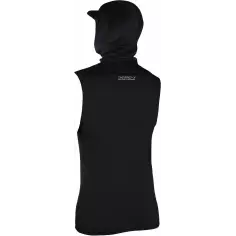
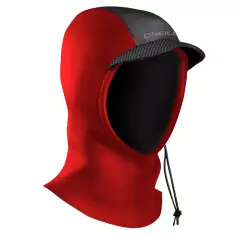
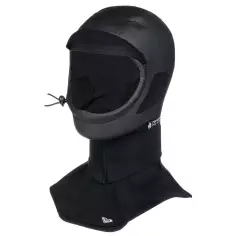
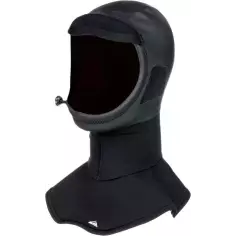
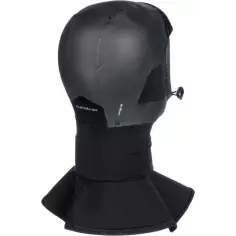
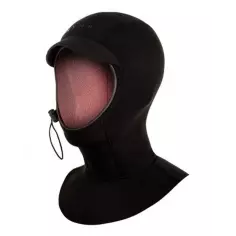
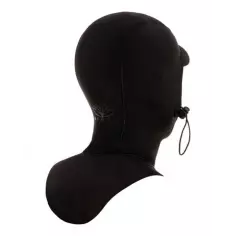
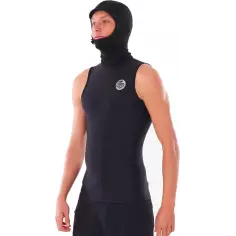
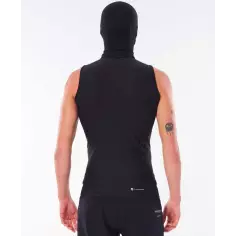
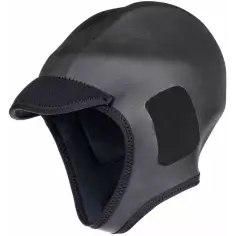
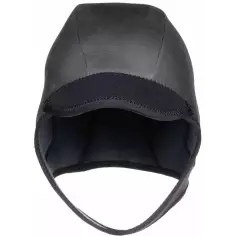
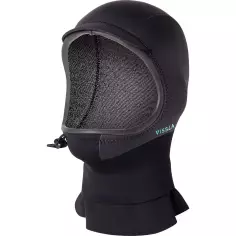
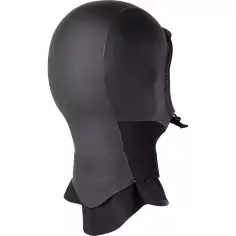
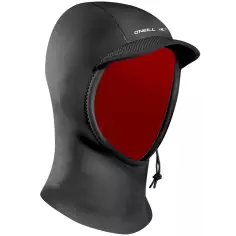
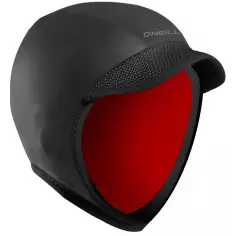
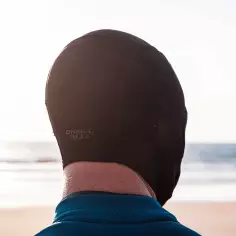
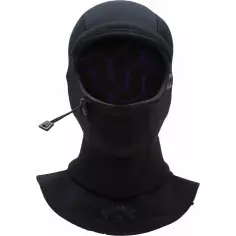
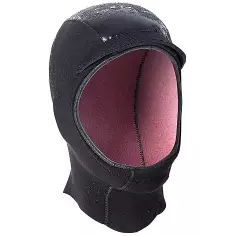
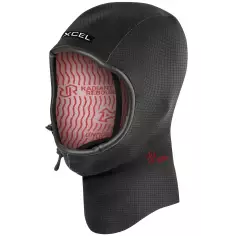
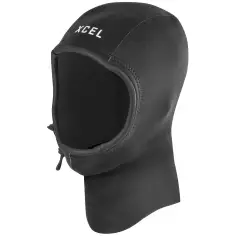
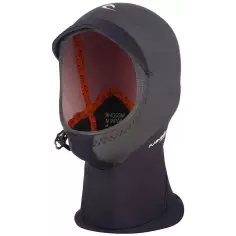
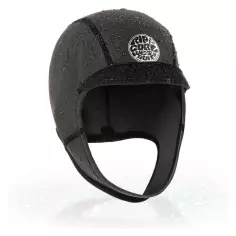
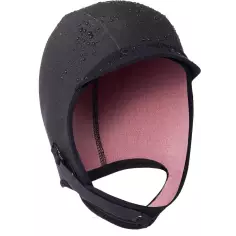
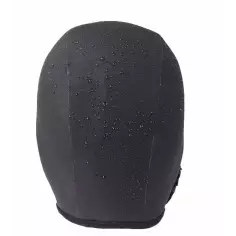
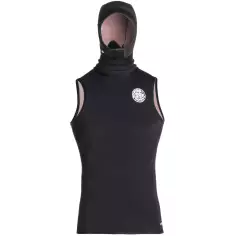
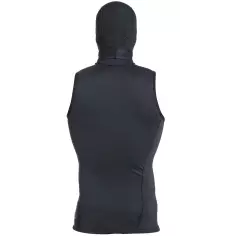
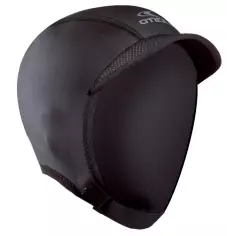
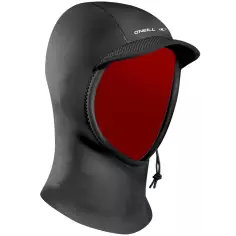
When it comes to neoprene hoods for surfing, the decision really comes down to a factor beginners often overlook: the water temperature where they usually surf. A 2 mm hood is enough for water above 16 °C; below 14 °C, that thickness falls short. In the extremely cold waters of the north, I always start from 3 mm as a minimum reference, and from 12 °C downward, a balaclava with neck protection completely changes the experience. The thermal insulation of neoprene works by trapping a thin layer of water between the material and the skin; the thickness is what determines how long it maintains that function before the cold gets through.
Neoprene hoods by thickness and water temperature
The thickness of a neoprene hood is measured in millimetres, and each one corresponds to a specific temperature range. A 2 mm hood is light and comfortable for surfers in mild water or early spring. If you are hesitating between 2 mm and 3 mm, keep in mind that every additional millimetre adds insulation but reduces freedom of movement in the neck; for progression and medium waves, I favour 3 mm in waters that drop below 15 °C.
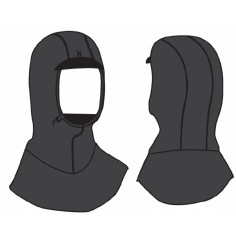
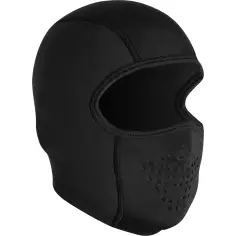
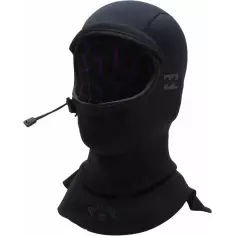
From 12 °C downward, a 4 mm or 5 mm hood is not an option, it is a necessity. In practice, the extremely cold water of the North Atlantic calls for a balaclava: it completely covers the head, leaves only the eyes, nose and mouth exposed, and protects the neck from water flushing in. For adult surfers who often face these conditions, this is the model we recommend at Mundo-Surf when the temperature drops below 10 °C.
Hoods and balaclavas: head and neck protection
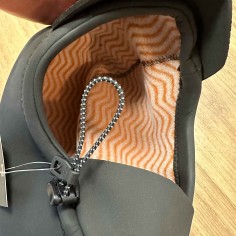
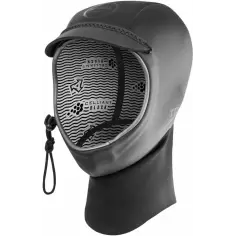
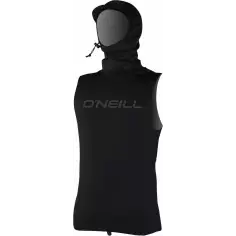
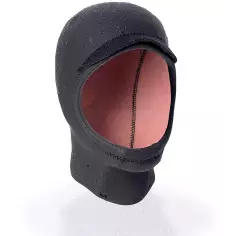
The difference between a simple hood and a full hood is not just about design; it’s about protection. A hood covers the entire head and extends down to the neck, eliminating that entry zone for cold water that many surfers underestimate. A balaclava goes further: it covers the inner and outer face, leaves minimal openings, and is the preferred option for those who surf in extreme conditions or bodyboard in winter.
In practice, the choice depends on your tolerance to cold and on the type of wave. For beginners in moderately cold water, a 3 mm hood is enough. For experienced surfers or extremely cold waters, a 4 or 5 mm balaclava is the standard reference. The neoprene material —SBR or CR— also affects insulation, although for regular use, the decisive factor is still choosing the right thickness for your temperature range.
Models for men, women, youth and kids
The size and cut of the neoprene hood depend on age and body shape. For adult men and women, standard measurements provide a proper fit without exerting excessive pressure on the head. Youth models are designed for smaller builds, with a different proportion in the neck area. For children, usual thicknesses are 2 or 3 mm, and coverage is less enclosing than for adults.
One thing to keep in mind: a well-fitting neoprene hood should not leave gaps where cold water can enter directly. If the fit is loose, it loses effectiveness significantly. In the Mundo-Surf online store we offer different thicknesses and cuts, with 100-day returns so you can try the right model with no risk.