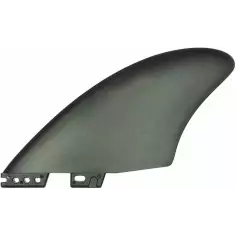
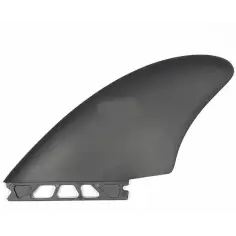
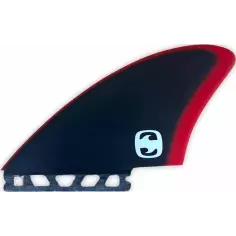
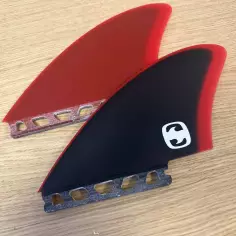
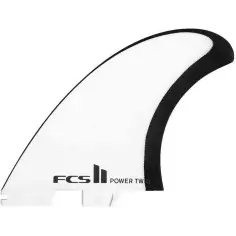
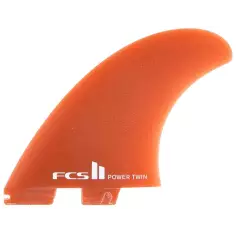
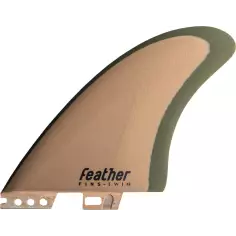
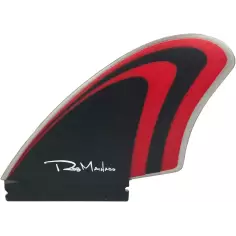
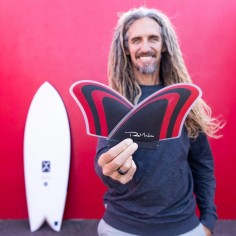
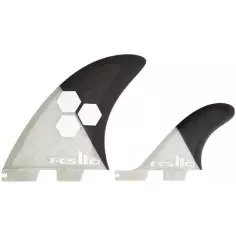
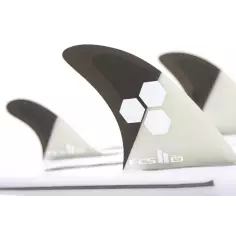
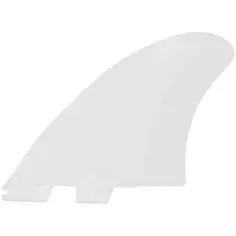
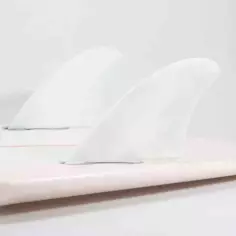
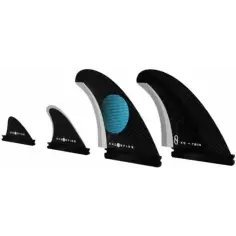
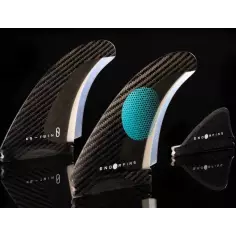
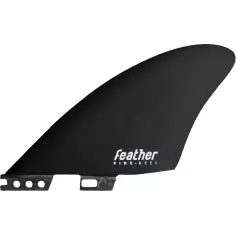
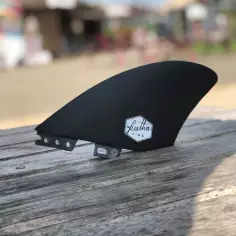
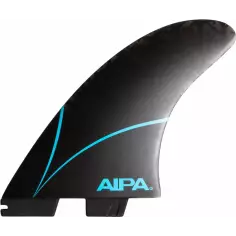
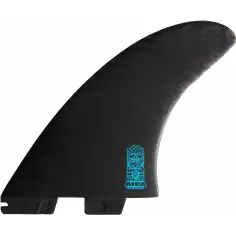
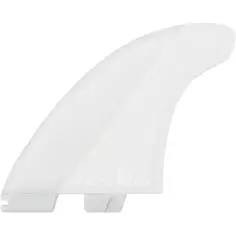
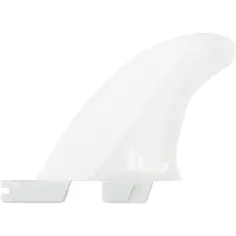
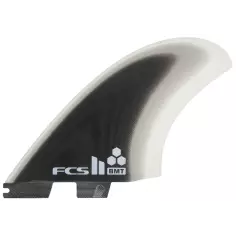
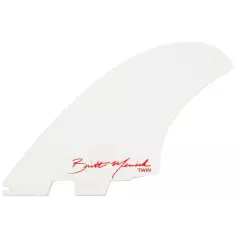
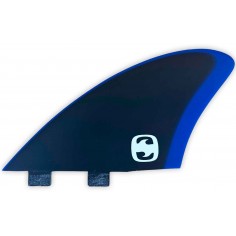
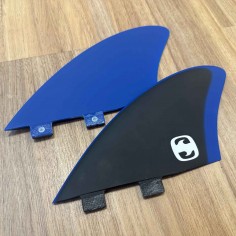
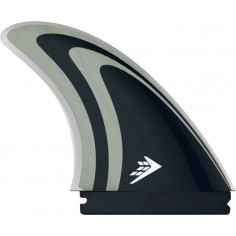
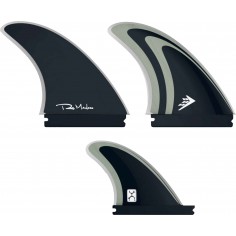
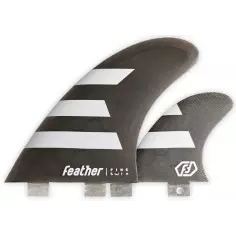
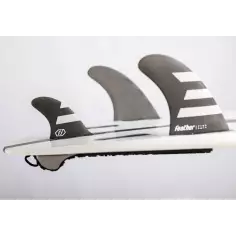
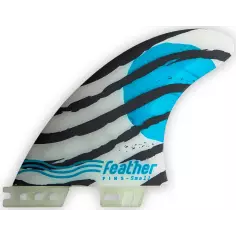
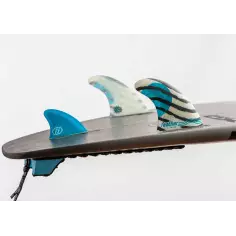
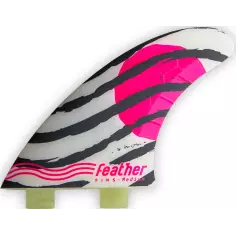
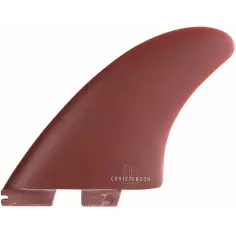
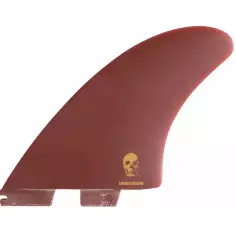
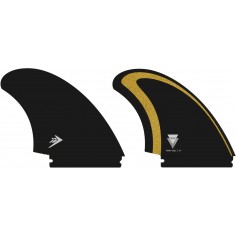
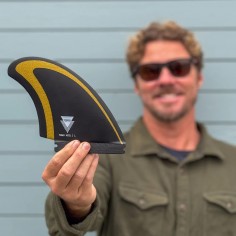
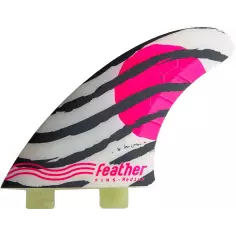
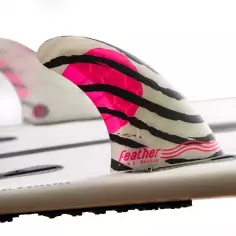
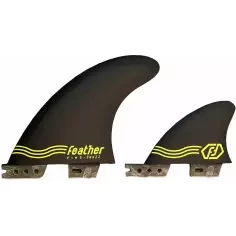
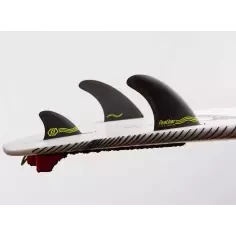
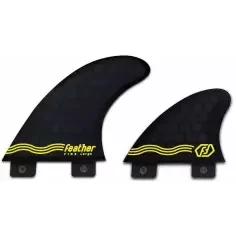
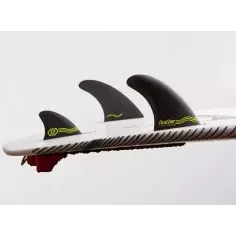
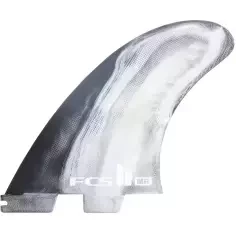
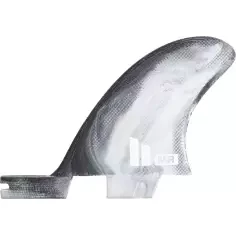
With twin fins, what really makes the difference is the base width combined with the stiffness of the material. A twin fin is mounted on Retro Fish or Mini Simmons boards because it generates a lot of speed and drive; in practice, this translates into long, smooth turns along the wave face. The choice between fiberglass or carbon depends on the type of wave: fiberglass absorbs more vibration in smaller surf, while carbon transfers power directly in more consistent waves.
How to choose a twin fin for your surfboard
The size of the twin fin is chosen according to the length and volume of your board. For Retro Fish boards from 5'8" to 6'2", we recommend fins from 5" to 5.5". The foil, meaning the side curvature, matters as much as the base: a more pronounced foil aims for more turning, while a softer foil prioritizes stability and speed. In warm waters, many riders prefer fins with a modular system, which allows you to quickly switch between fin sets without tools.
Fin materials: fiberglass versus carbon
Fiberglass offers flexibility and vibration damping; at Mundo-Surf our position is to favor fiberglass for twin fins in small or medium waves. Carbon, with its greater stiffness, should be favored when the rider is looking for high performance in consistent waves; 30% carbon already makes a difference without sending the price soaring. The honeycomb core, found in higher-performance fins, lightens the setup while maintaining stiffness. At Mundo-Surf we keep fins with various materials in stock so you can compare in real time.
Twin setup: speed and maneuverability
A traditional twin setup uses two large fins placed towards the rails. Compared to a quad setup —which includes two smaller rear fins— the twin pushes a larger volume of water and provides more forward drive; it is suitable for Mini Simmons boards or generalist boards. If your board has a center fin box, the stiffness of the twin fins must be compatible with that design. This is where the complete set makes the difference: buying fins from the same line ensures that the foil and the base are designed coherently with each other.
Twin fins for different surf conditions
In small waves (<1 m), a twin fin with a soft foil and wide base provides stability without sacrificing speed. For medium waves (1–2 m), I favor twin fins with more rake —a more pronounced rear angle— which improves hold in carving turns. In large waves or steep faces, control comes down to the height and pivot of the twin fin: a tall fin with low rear pivot transfers more feedback to the rider. It is worth remembering that stability depends on the foil and the base, while pivot influences responsiveness. These criteria are valid both for a traditional surfboard and for a more specific model.
At Mundo-Surf we always recommend trying a fin set before making a decision: we have FCS, Shapers, Feather and Komunity models in verified stock. The 100-day free return policy lets you send back a fin set if it does not suit your board or surfing style. If you are hesitating between two options, contact us: our team, with 15 years of in-store experience, can guide you according to your board and your usual surf conditions.