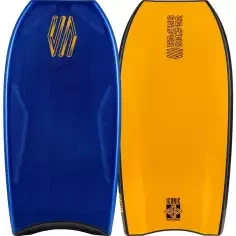
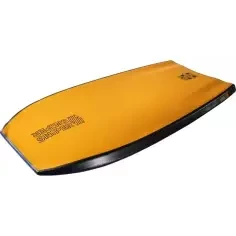
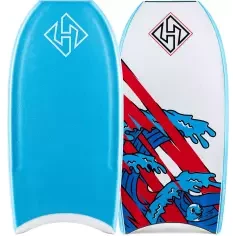
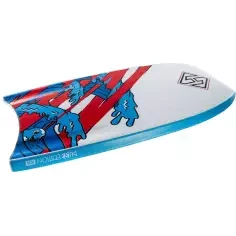
Why Having Multiple Bodyboards Is Key to Your Progression (My Experience as a Professional Rider)

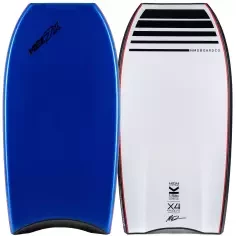
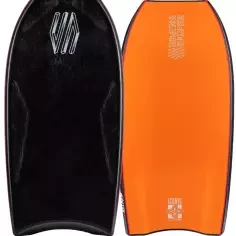
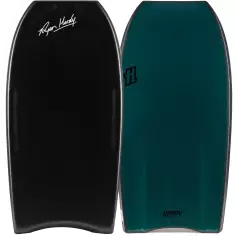
If there’s one thing I’ve learned throughout my career as a professional bodyboarder, it’s that choosing the right bodyboard setup can make a huge difference in your progression. It’s not just about going into the water and riding waves, but about doing it with the right equipment for each session

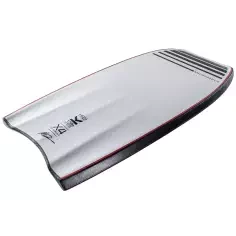
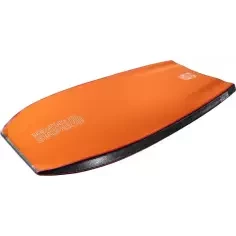
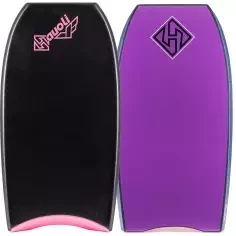
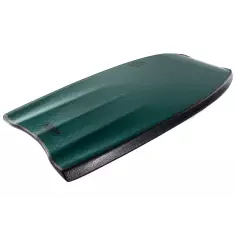
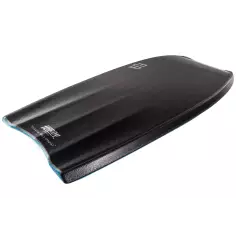
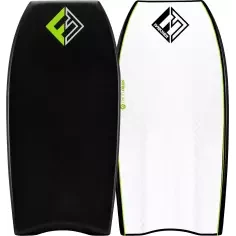
One of the most important concepts every rider should understand is the bodyboard quiver, meaning having multiple boards ready to adapt to different wave conditions. For me, this is not a luxury—it’s a necessity. And it’s something I recommend to both beginners and advanced riders.

Today, thanks to the evolution of materials and design, we have access to a wide range of bodyboards with very different performance characteristics. Understanding how each one works and when to use it can help you improve faster and enjoy every session much more.

The Importance of Matching Your Bodyboards to Your Skill Level

One of the most common mistakes I see in the water is riders using high-performance bodyboards designed for professionals, even when their skill level is still developing.

This is understandable: most boards available in shops are inspired by elite-level pro models. But these boards are usually thinner, narrower, and much more technical. They are built for maximum performance—but they also require precise technique.

When you don’t yet have that solid technical foundation:

  • You lose stability
  • You struggle to control the board
  • You progress more slowly

That’s why I always say the same thing: choose your bodyboard according to your level, not your favorite pro rider.

  • If you’re a beginner: go for wider and thicker boards for stability and floatation
  • If you’re intermediate: start experimenting with more reactive boards
  • If you’re advanced: then you can fully benefit from high-performance technical boards

A smart board choice will improve your progression much more than being “over-equipped”.

Materials and Densities in Bodyboards

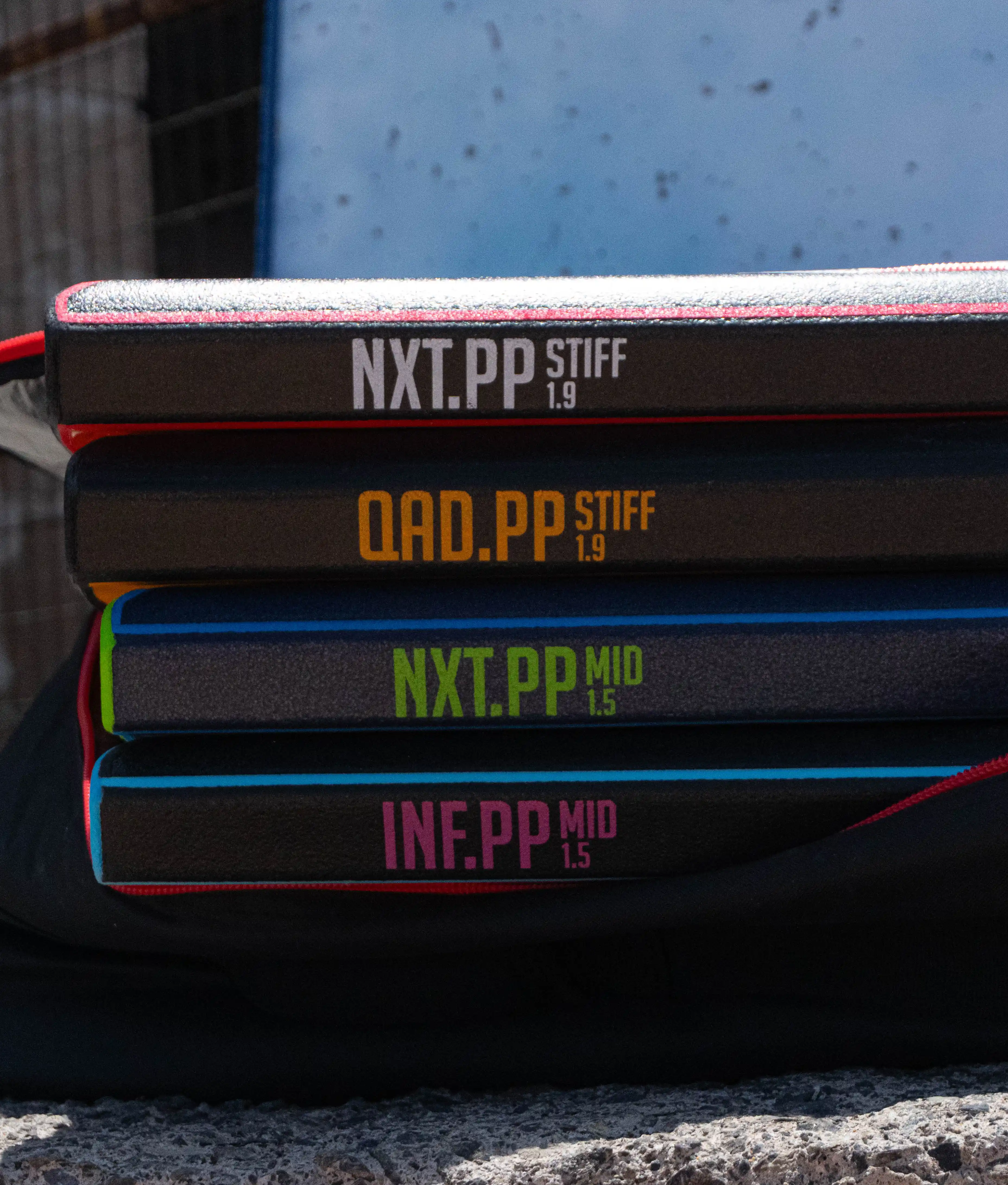
Another key aspect of any bodyboard quiver is the core material. In my case, I mainly use polypropylene (PP), but not all densities perform the same.

PP density completely changes how the board behaves depending on water temperature and wave type.

PP 1.2 (NRG): Flexibility and Control

This material is more flexible and performs best in powerful, technical waves.

Advantages:

  • More control
  • Better wave adaptation
  • Increased comfort in maneuvers

It’s ideal for cold-water spots like Portugal, Ireland, or France.

PP 1.5: My All-Round Favorite

If I had to choose just one density for my bodyboard quiver, it would be this one.

It offers:

  • Balance between flex and stiffness
  • Excellent control
  • Good speed

This is what I use most in the Canary Islands, where conditions vary a lot.

PP 1.9: Speed and Projection

When I need pure speed, I go for PP 1.9.

Advantages:

  • Higher stiffness
  • Greater projection
  • Maximum speed generation

I often use it in warm-water destinations like Indonesia, Mexico, or Hawaii, or when waves lack power.

My Bodyboard Quiver: Why I Always Carry Multiple Boards

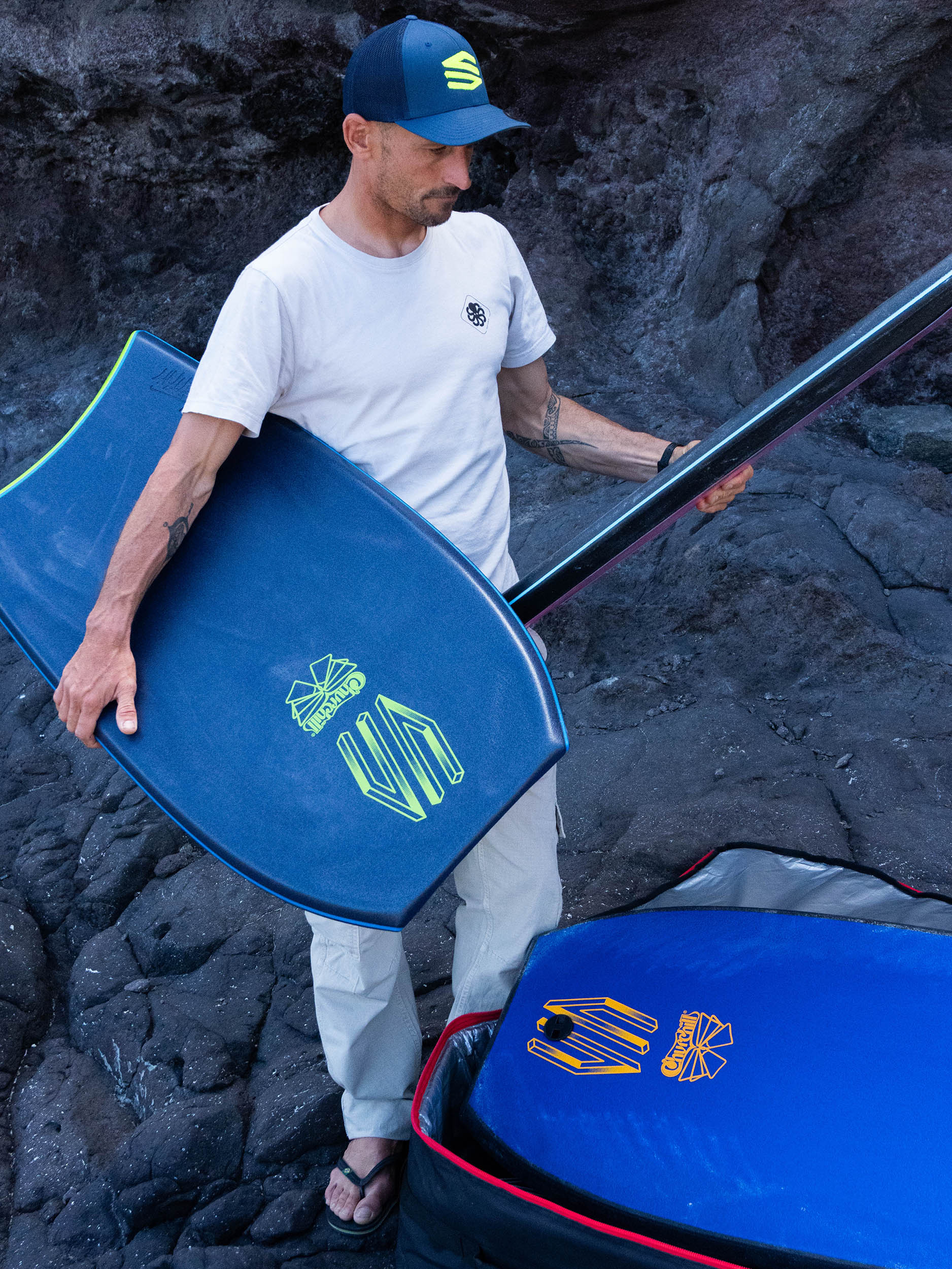
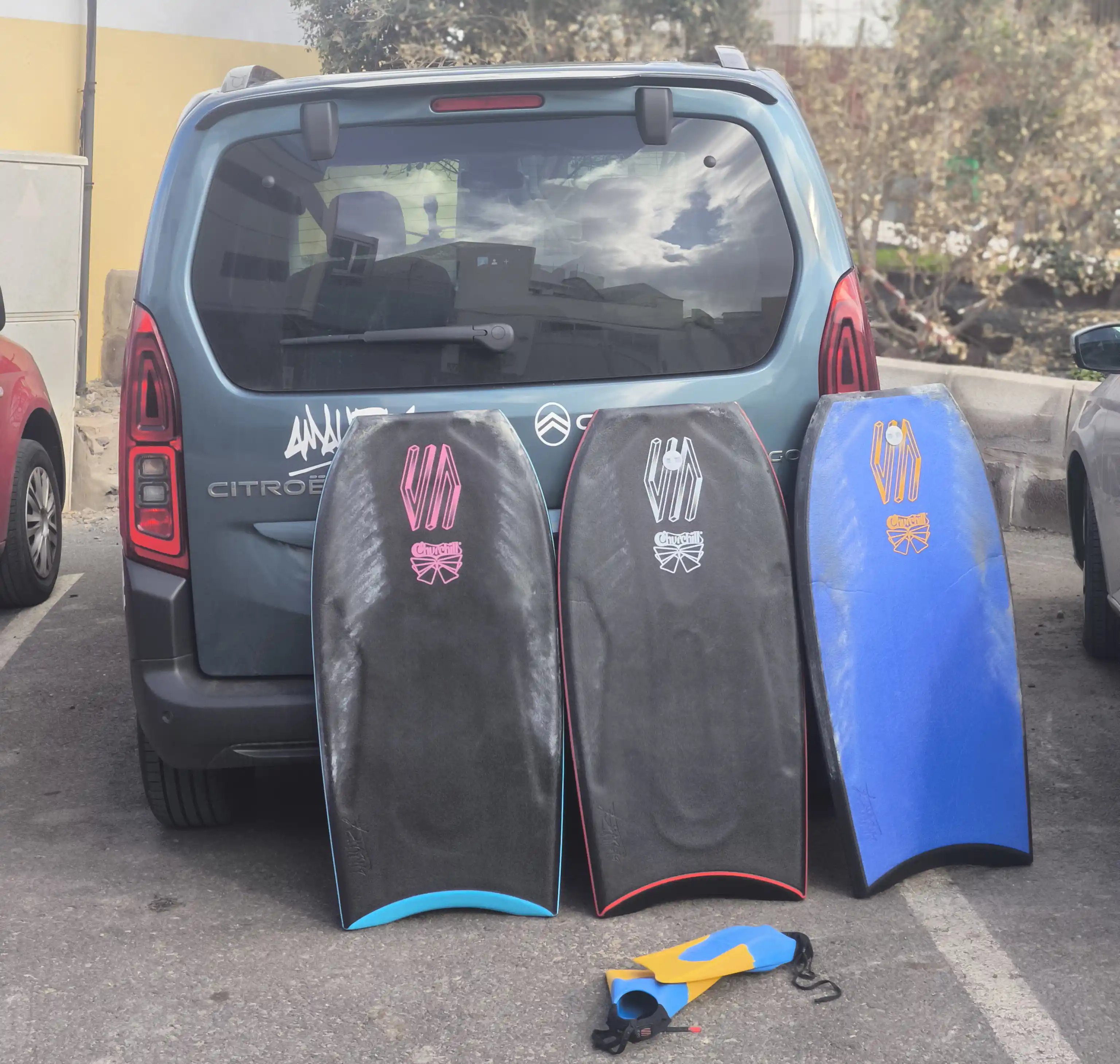
In my daily routine, I always carry 2 to 3 bodyboards in my car.

This allows me to adapt my setup to:

  • Ocean conditions
  • Wave type
  • What I want to train during the session

For me, this is essential. Conditions change constantly, and riding the same board all the time limits your performance.

Choosing the Right Bodyboard for Each Condition

Hollow, Powerful Waves

When waves are fast, hollow, and powerful, I choose a smaller, more reactive board.

In my case (based on my height and weight as a professional rider):

  • Around 41.25 inches
  • Narrower wide point
  • Slight flex in the board

This allows me to:

  • React faster
  • Draw cleaner lines
  • Maintain control in critical sections

I usually ride PP 1.5 in these conditions because it gives me the perfect balance.

Small or Weak Waves

When conditions are softer, I completely change my approach.

I use:

  • Slightly larger boards (41.5” – 42” depending on my size)
  • Stiffer material (PP 1.9)

This helps me:

  • Generate speed
  • Maintain momentum
  • Get more projection in maneuvers

Without the right board, these sessions can feel very frustrating.

Having Multiple Bodyboards Accelerates Your Progression

Let me be clear: having multiple bodyboards is not just for professionals.

It’s one of the fastest ways to improve.

A proper bodyboard quiver allows you to:

  • Adapt to ocean conditions
  • Learn faster
  • Feel more comfortable in the water
  • Gain confidence

If you always use the same board, you are limiting your learning to a single type of response.

Tips for Building Your Bodyboard Quiver

If you’re thinking about improving your setup, here are my tips:

1. Be honest about your level

You don’t need the most advanced board—you need the one that helps you improve.

2. Think about your local spot

Choose your bodyboards based on the waves you usually surf.

3. Start with at least two boards

A good starting point for your bodyboard quiver:

  • One versatile board
  • One board for specific conditions

4. Experiment with different setups

Experience is key. The more you test, the better you’ll understand your equipment.


Conclusion: Equipment Is Part of Your Surfing

After many years competing and traveling the world, I’m convinced that equipment is a fundamental part of performance.

Your bodyboards are not just tools—they are an extension of your surfing.

Building a solid bodyboard quiver will allow you to:

  • Adapt to any condition
  • Get more out of every session
  • Enjoy the water much more

My advice is simple: don’t limit yourself to a single board. Experiment, test, and learn to choose based on the day.

Because in the end, the difference is not only in the waves… but in how you choose to ride them.

Products you might be interested in:

See the author's articles
Amaury Lavernhe

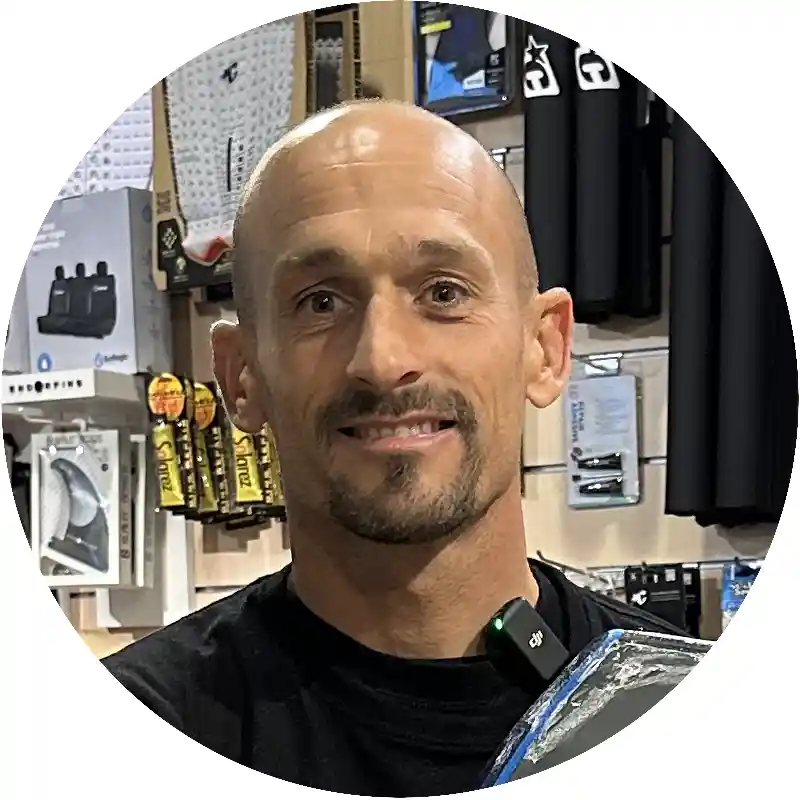
Amaury Lavernhe is one of the leading figures in professional bodyboarding worldwide. A two-time World Champion, he has competed for over 20 years on the professional circuit at the highest level, standing out for his power, technique, and in-depth knowledge of equipment and wave dynamics.
Throughout his career, he has traveled to some of the best waves on the planet, gaining unique experience in competition as well as in technical equipment analysis.

In addition, Amaury runs his own bodyboard academy, where he coaches young riders using a methodology focused on technique, safety, and real progression in the water.

He brings all this experience — as an active competitor, coach, and father — to the blog of Mundo Surf, sharing practical advice, technical insights, and performance-based recommendations to help riders of all levels choose the right gear and progress safely.

What our customers think:

4,6/5

Based on 442 reviews

4,6/5

Based on 475 reviews

Product added to wishlist