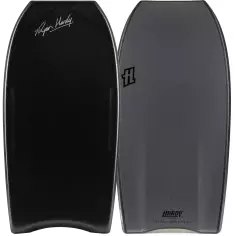
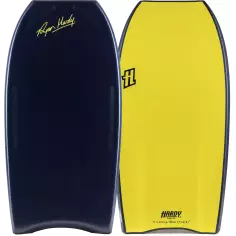
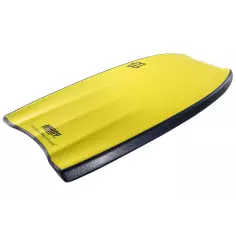
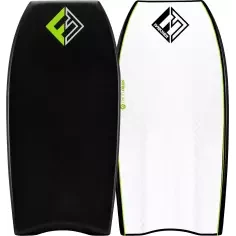
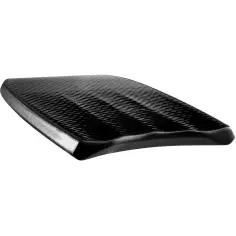
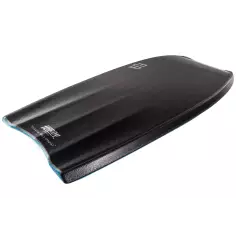
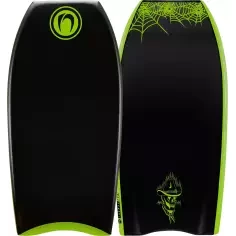
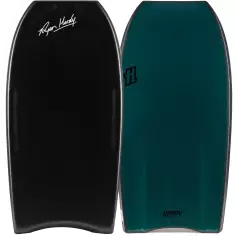
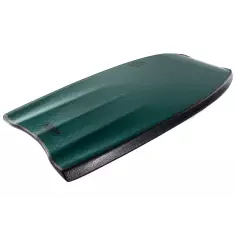
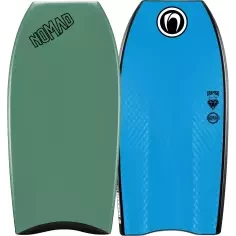
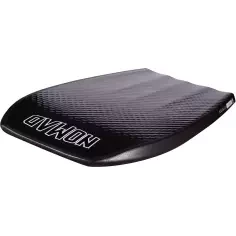
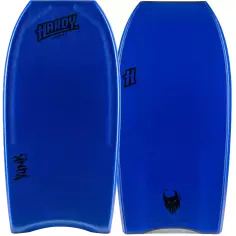
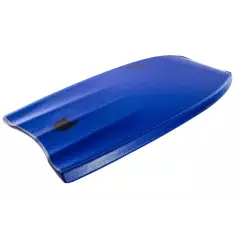
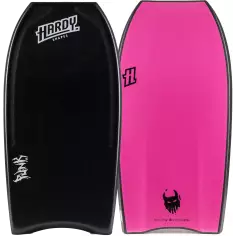
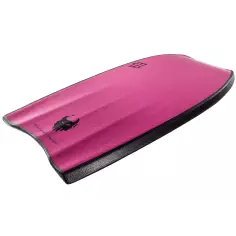
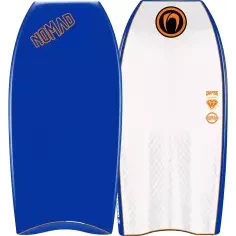
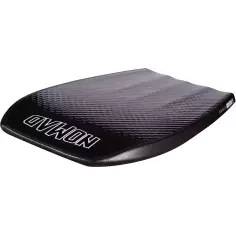
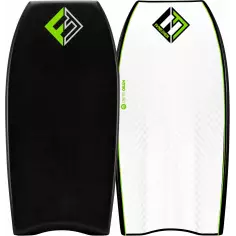
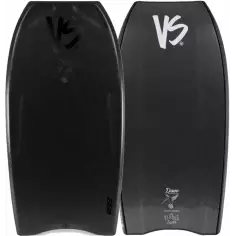
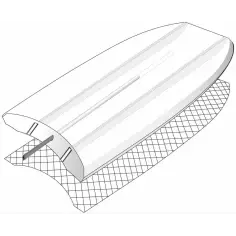
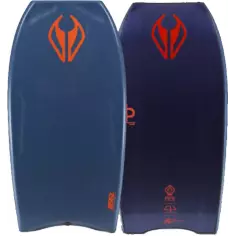
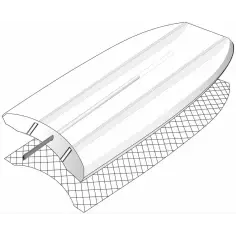
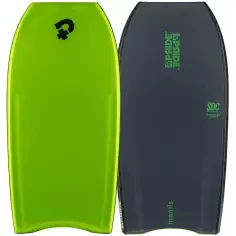
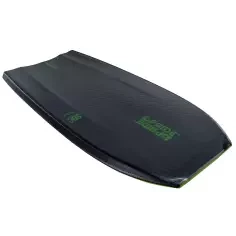
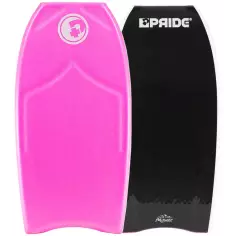
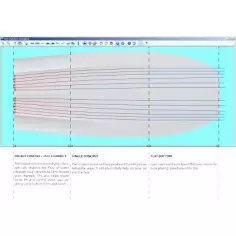
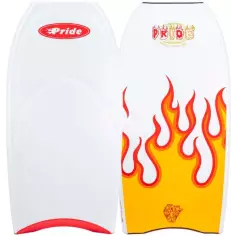
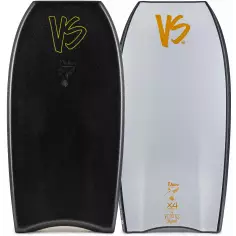
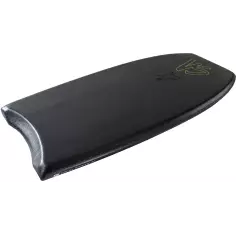
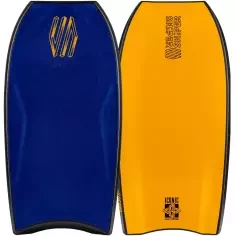
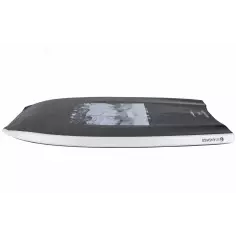
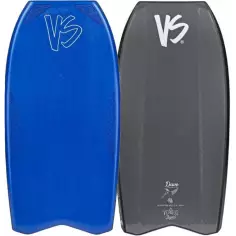
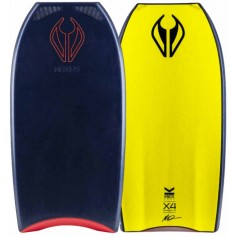
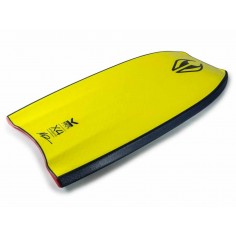
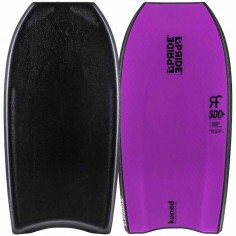
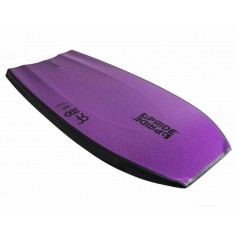
In quad concave bodyboards, the depth and placement of the channels really define the grip and speed: four well‑defined channels provide superior control in powerful waves, while mini quad setups offer greater agility. Bodyboards with this technology are the choice for riders who want optimal performance without sacrificing maneuverability.
Regardless of the channel system, quad concave bodyboards are generally made of polypro (PP) or NRG, materials used in high‑end bodyboards. These materials provide maximum durability and response in the water.
Frequently asked questions about quad concave bodyboards
What advantages does a quad concave bodyboard have for your style?
A quad concave bodyboard provides superior grip on the wave face, ideal for vertical take‑offs and aggressive maneuvers. Thanks to its four well‑defined channels, this board increases speed and improves control in powerful waves, allowing you to project toward the lip of the wave with greater stability. It is the preferred option for intermediate and advanced riders seeking optimal performance in all types of waves.
What is the difference between quad concave and mini quad in a bodyboard?
The classic quad concave has four deep, pronounced channels that start halfway down the board, providing maximum grip and superior control. The mini quad, on the other hand, has shorter and shallower channels, offering a balance between speed and maneuverability. In the water, this translates into a thinner, more flexible rail that makes quick turns and agile transitions easier.
What is the difference between SDC+ and RRC quad concave in Pride bodyboards?
The acronym SDC+ stands for Single to Double Concave Plus and is designed to optimize control in powerful waves. It combines a single concave that evolves into a double concave in the tail, along with a 2 mm deep concave rail that improves water flow, stability and control without sacrificing speed. RRC (Rail to Rail Concave) is a true quad channel with longer side channels and a wider, deeper central channel. The first question I ask myself when comparing both is what level of reactivity is desired: RRC offers higher speed, grip and maximum reactivity, and is the one to favor when working on aggressive maneuvers in powerful waves.
What is the difference between AlphaFlex and Quantum constructions in NMD bodyboards?
The main difference between the two constructions lies in the stringer:
AlphaFlex: It does not use the traditional tubular stringer. Instead, it uses NMD’s PFS‑T system, made up of two strips of high‑density foam along the length of the board. This provides more direct torsional flex and maximum overall flex, making the board very comfortable, playful and maneuverable. In practice, it is the construction to favor for riders seeking flow and immediate response in their maneuvers.
Quantum PP: It combines the traditional central tubular stringer with the PFS‑T system. This gives it greater stiffness and stability, especially at high speed, with powerful response in radical maneuvers. It is best to prioritize this construction in powerful waves and demanding conditions, where the greater weight of the board provides control and projection.