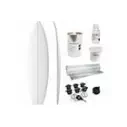
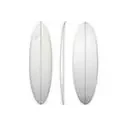
At Mundo-Surf, we organize surfboard-building materials around a single principle: what really determines the final quality of the board is the right selection of foam, fiberglass, polyester resin, and mounting systems. If you’re starting from shaping, I always begin by understanding what type of board you want: that defines the foam thickness, the fiberglass weight, and the final components you’ll need.
Basic materials to build your surfboard as a shaper
To build your board, you need three groups of essential materials: the structure (foam), the reinforcement (fiberglass and polyester resin), and the functional components (plugs, fin boxes, catalyst). Below you’ll find guidance on each one.
Foam blank: structural base for different board styles
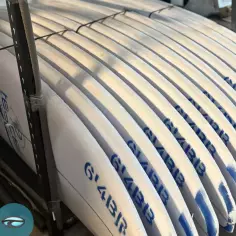
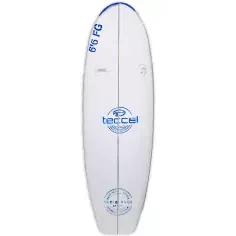
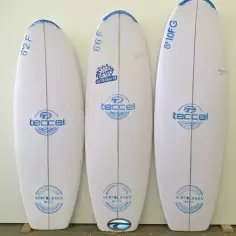
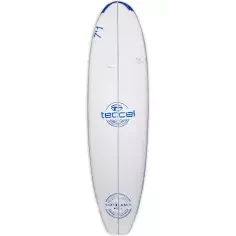
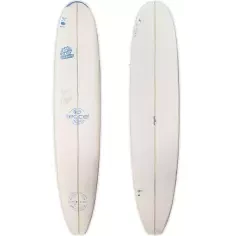
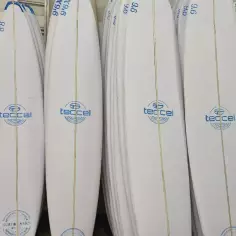
The foam is the heart of the board. Teccel offers three specialized options: Shortboard, Fish, and Funboard. Each one is designed for a different type of board. Foam density determines buoyancy: lighter foam gives you more float but less stiffness; denser foam offers the opposite. For a beginner shaper, the rule is simple: the type of board you want defines the foam option you need, not the other way around.
Fiberglass and polyester resin: structural reinforcement and finish
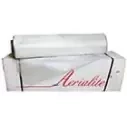
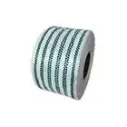
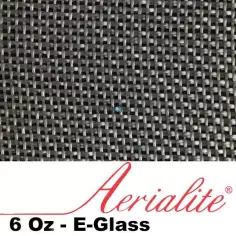
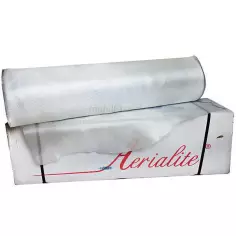
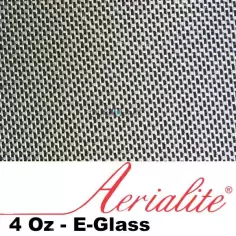
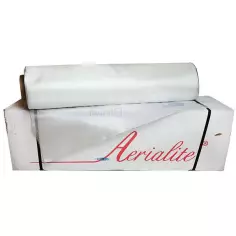
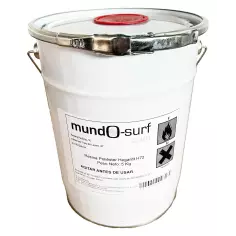
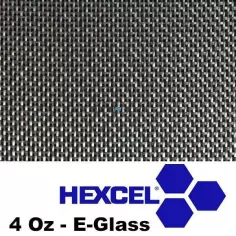
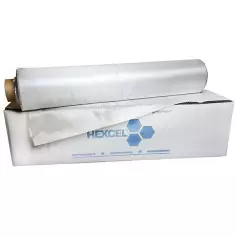
Fiberglass is chosen by weight (ounces per square meter): 4 oz is the benchmark for most home-shaped surfboards. Brands like Aerialite (models 7533 6oz and E-Glass 1522 4oz) and Hexcel offer specialized fiberglass. Polyester resin is what bonds the fiberglass to the foam. At Mundo-Surf we recommend Hegardt: the standard H72 line works in normal conditions; H72-UV protects against sun damage if the board will be exposed. The difference between an amateur shaper’s board and an average-quality board is often decided here: fewer layers of heavier fiberglass give a better result than many layers of lighter fiberglass.
Sanding and finishing tools for a professional polish
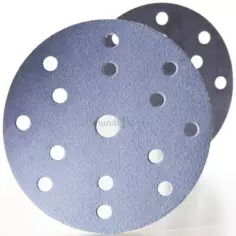
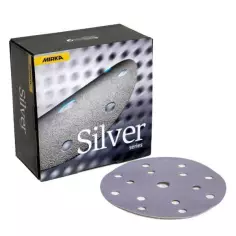
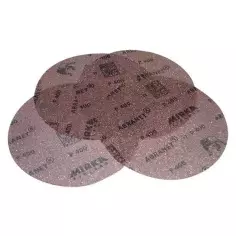
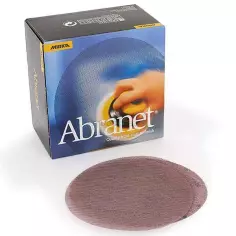
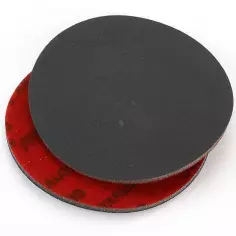
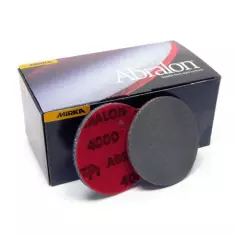
The final finish depends on the sanding tools you use. Mirka is the go-to brand: Q Silver grit is for the initial rough-sanding stages, Abranet for intermediate stages, and Abralon for final polishing. The grit sequence matters more than the brand: it’s best to go from 80 to 120, 120 to 220, and 220 to 400. Skipping a grit leaves scratches that won’t disappear. For a home shaper, a basic assortment of five grits covers 90% of the work.
Leash plugs and fin boxes: functional mounting systems
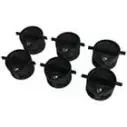
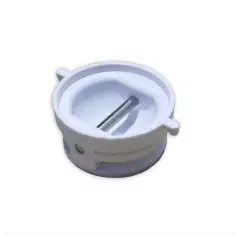
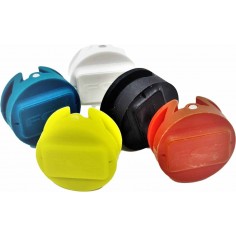
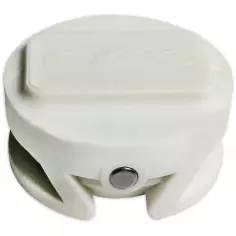
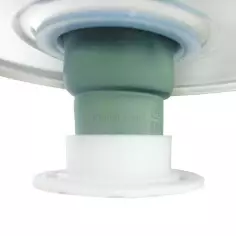
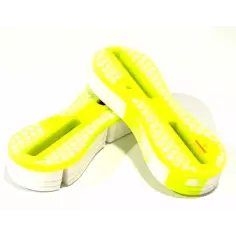
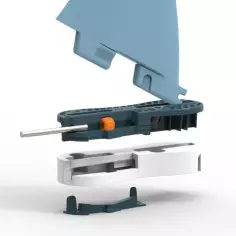
Leash plugs and fin boxes determine your board’s compatibility. For leash plugs, M-Fins offers the standard 30 mm diameter in white; for fin boxes, FCS and FCSII are the two main systems. The FCSII side box (available in Acid Yellow) is more modern and accepts interchangeable side fins. If you’re unsure between the two, one thing to consider is that FCS is more universal on the second-hand market, whereas FCSII is the current trend. For a home-shaped board, either works, but it’s best to choose one system and stick with it.
Additives, catalyst and repair kit for curing and maintenance
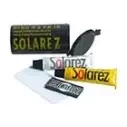
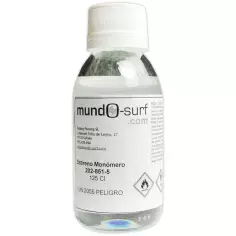
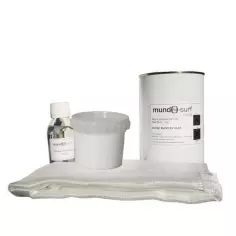
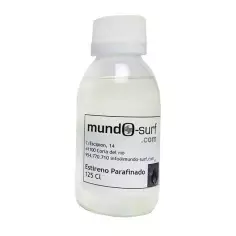
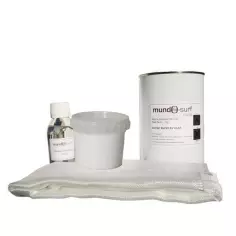
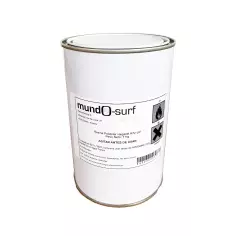
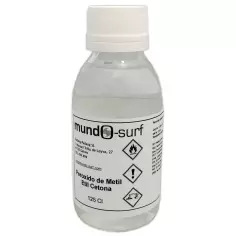
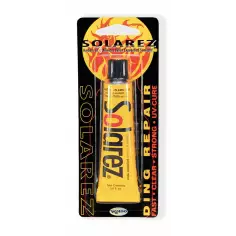
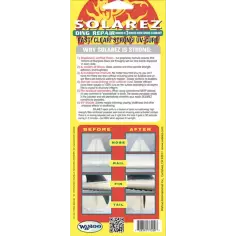
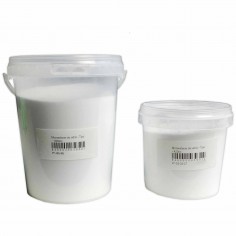
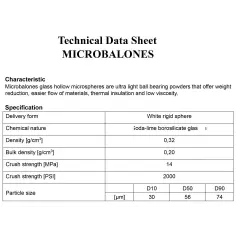
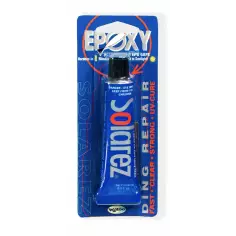
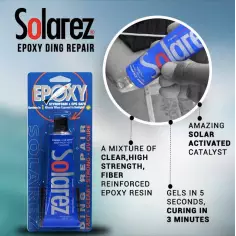
Besides foam, fiberglass and resin, you need a catalyst to activate polyester curing. PMEC catalyst in 125 ml format is the standard. To thin or adjust viscosity, Styrene Monomer and Waxed Styrene serve that purpose. Glass microspheres modify the properties of the resin mix. Repair kits come pre-dosed (resin + catalyst) for quick fixes. Solarez UV in polyester version allows repairs without catalyst: sunlight activates curing in 15–20 minutes. If you buy a complete polyester repair kit, it usually includes everything needed for small patches; for larger rebuilds, the base materials are more economical.
Brand and quality in shaper materials: what guarantees durability
At Mundo-Surf we work with Teccel for foam, Aerialite and Hexcel for fiberglass, Hegardt for polyester resin, and Mirka for finishing tools. These brands are industry benchmarks in shaping because their consistency reduces surprises: the foam absorbs resin evenly throughout the blank, the fiberglass doesn’t fray, the resin cures cleanly, and the sandpaper doesn’t wear out prematurely. For a home shaper, the difference between using established brands and generic ones usually shows up in the board’s long-term durability: in the water, a well-built board withstands years of use; one made with inconsistent materials tends to delaminate.
We have real stock in our warehouse in Seville: the materials you see in the shop are physically here. If you’re unsure which complete kit you need depending on the type of board you plan to build, our shaping tutorials guide you step by step, and our team is available to answer specific questions.